The Middle East conflict has caused the biggest disruption ever to global oil and gas trade and could cut world oil demand by more than 4% by 2035 if governments accelerate electrification, efficiency and fuel-switching measures in response, the International Energy Agency (IEA) said on Thursday.Energy markets have been rattled this year by the conflict, which has curbed shipping through the Strait of Hormuz, a route that typically carries about a fifth of global oil and liquefied natural gas supplies and is a key artery for Gulf exports."In my view, the energy world will never be the same again as it was before the Iran war," IEA Executive Director Fatih Birol said in an interview alongside the release of the agency's World Energy Outlook 2026.The conflict has resulted in cumulative losses of 2.8 billion barrels of oil and 60 billion cubic meters (bcm) of gas supplies from the Gulf, the Paris-based agency said.The annual outlook includes a range of scenarios based on existing and proposed energy policies. This year it also examines how governments and markets could respond to prolonged disruption in Hormuz.Global oil demand could plunge as Iran war accelerates electrification, IEA saysUnder a new Additional Response Case (ARC), the IEA said energy security concerns could speed up electrification, energy-efficiency measures and efforts to reduce dependence on imported fossil…
Energy-security response to Iran war could cut oil demand by 4% by 2035, IEA says
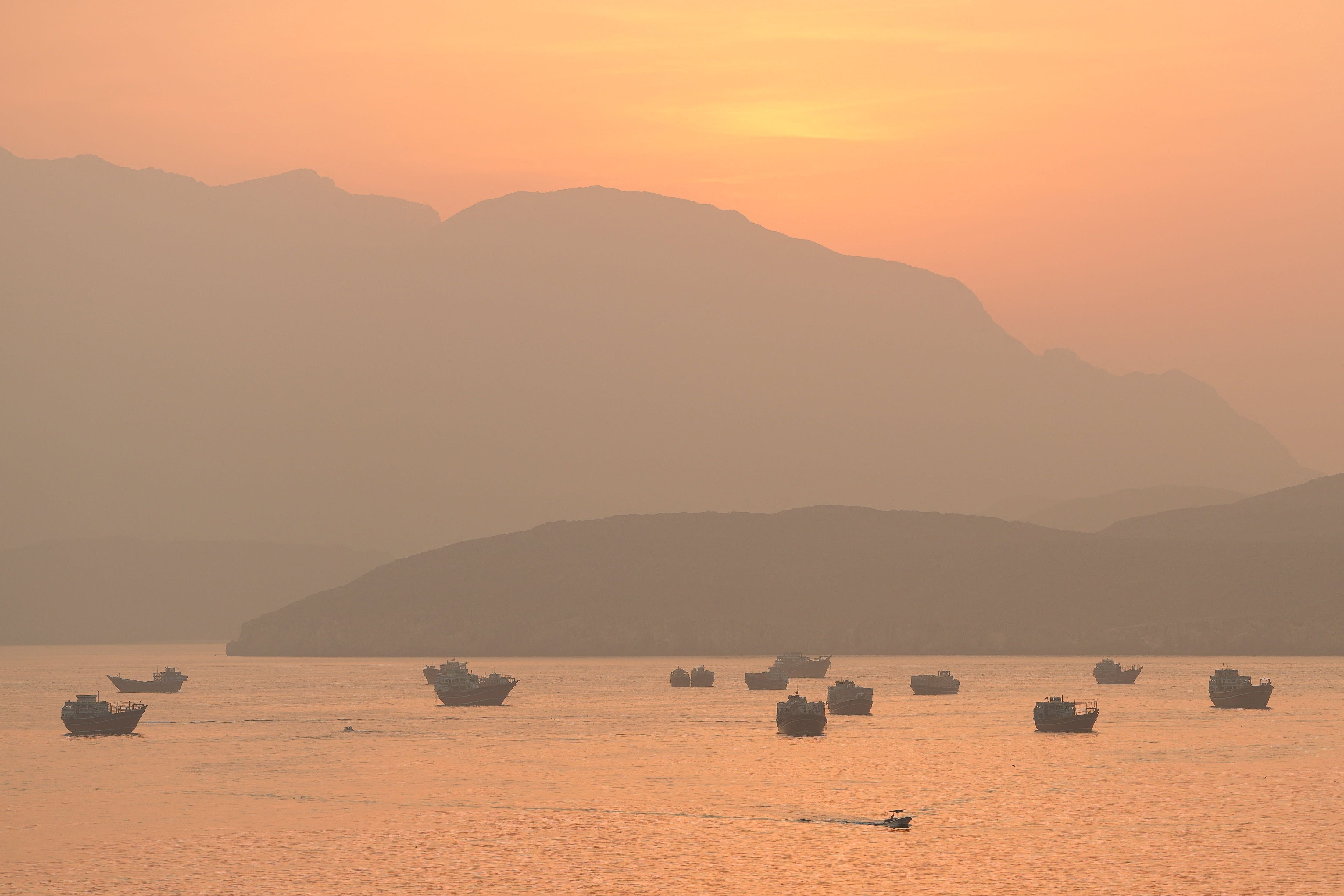
Energy markets have been rattled this year by the conflict, which has curbed shipping through the Strait of Hormuz, a route that typically carries about a fifth of global oil and natural gas.
In brief
The Middle East conflict has caused the biggest disruption ever to global oil and gas trade and could cut world oil demand by more than 4% by 2035 if governments accelerate electrification, efficiency and fuel-switching measures in response, the International Energy Agency (IEA) said on Thursday.Energy markets have been rattled this year by the conflict, which has curbed shipping through the Strait of Hormuz, a route that typically carries about a fifth of global oil and liquefied natural gas supplies and is a key artery for Gulf exports."In my view, the energy world will never be the same again as it was before the Iran war," IEA Executive Director Fatih Birol said in an interview alongs…
This is the opening of the story, shared with credit to The Jerusalem Post. The rest of the report — with every detail — continues on the publisher’s website.
Continue reading at The Jerusalem Post ↗