Economic diversification is hardly a new ambition for Gulf economies. It has featured in national development strategies since the late 1960s and early 1970s to reduce dependence on oil and gas revenues, initially through investments in industrialisation, infrastructure and non-oil productive sectors. More than five decades later, however, the concept of economic security is expanding beyond diversifying sources of economic growth and government revenues to diversifying where essential resources are sourced, stored, and accessed, reducing exposure to disruptions in trade corridors and supply chains.
Gulf economies remain heavily dependent on hydrocarbons. In 2024, oil accounted for approximately 64% of total GCC government revenues, generating $422bn compared to $237bn from non-oil sources. As a result, any disruption to hydrocarbon production or export routes extends well beyond energy-sector earnings, pressuring government finances, public investment, and broader economic stability.
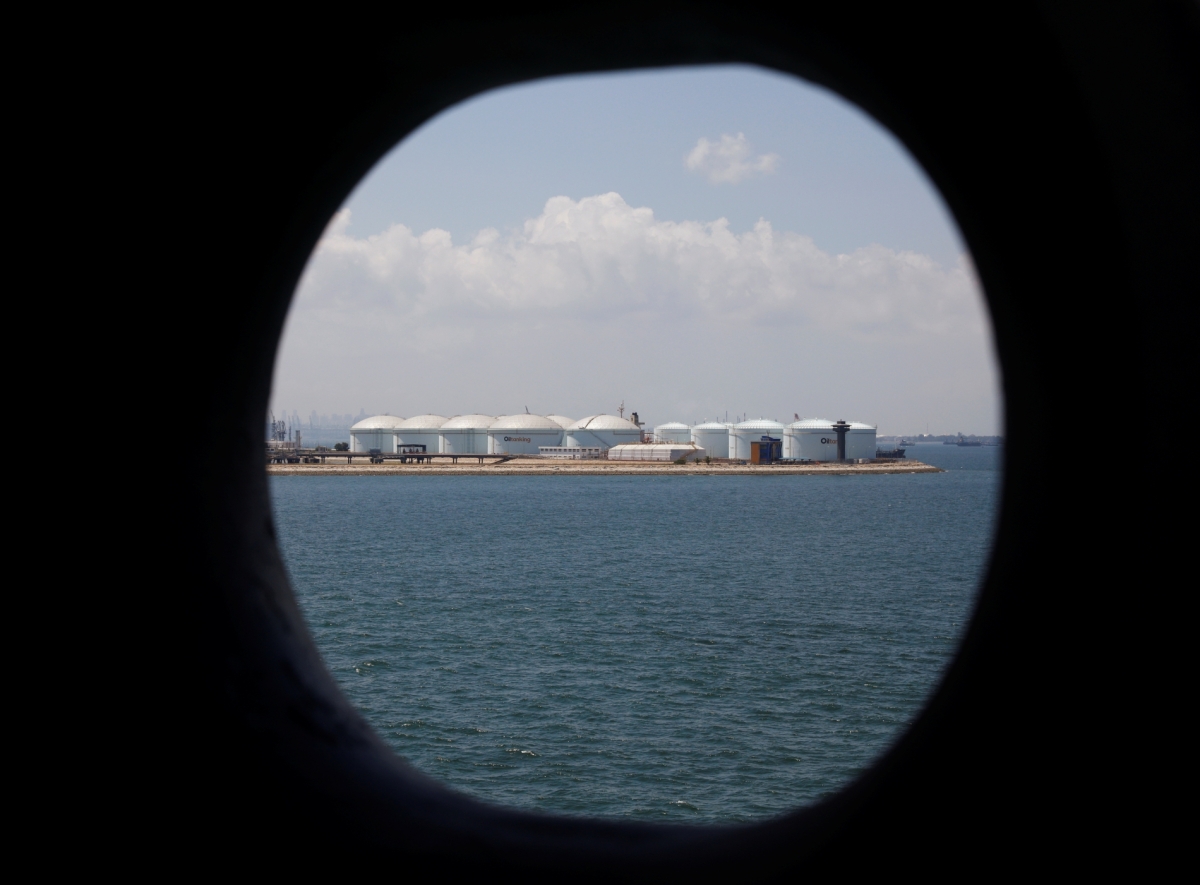
This makes the geography of resilience as important as its scale. Energy and economic security increasingly depend on the geographic distribution of reserves, access to foreign markets, and alternative transportation corridors, especially when primary routes fail. Strategic reserves, once treated mainly as emergency insurance, are becoming a core instrument of national and global economic security. GCC states are now acting on this, building reserves and access routes both at home and in strategic destinations abroad.