On November 20th of every year, the world marks World Children's Day.
On this day in 1989, the United Nations adopted the Convention on the Rights of the Child, recognising a simple principle: every child deserves protection, wherever they are born and whatever happens around them.
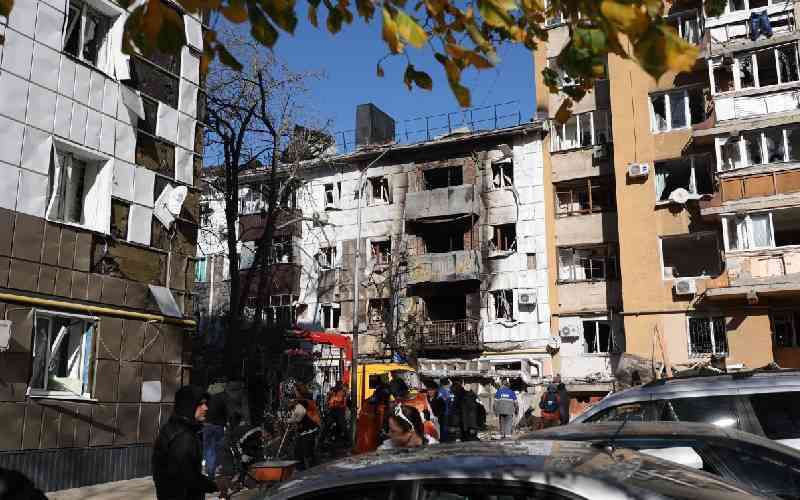
This year's UNICEF theme, “My day. My rights. My future”, carries a particularly painful meaning for Ukraine. For thousands of its children, each of these promises has been broken by Russia's war of aggression.
In July this year, ten-year-old Ukrainian gymnast Oleksandra Paskal performed at the United Nations complex in Nairobi. She danced on a prosthetic leg, replacing the one she lost to a Russian missile strike. Oleksandra was fortunate to survive. At least 770 Ukrainian children were not. More than 3,000 others have been wounded, many with injuries that will shape the rest of their lives. Yet killing and maiming are not the only crimes Russia commits against them.
Ukraine has officially documented 20,651 cases of deportation and forcible transfer of children. Many are not orphans. They have living parents or relatives. Imagine knowing that your child is alive, but another country has taken control of their life – deciding where they live, who raises them and whether they will ever see their family again. For some parents, it is their only child.…