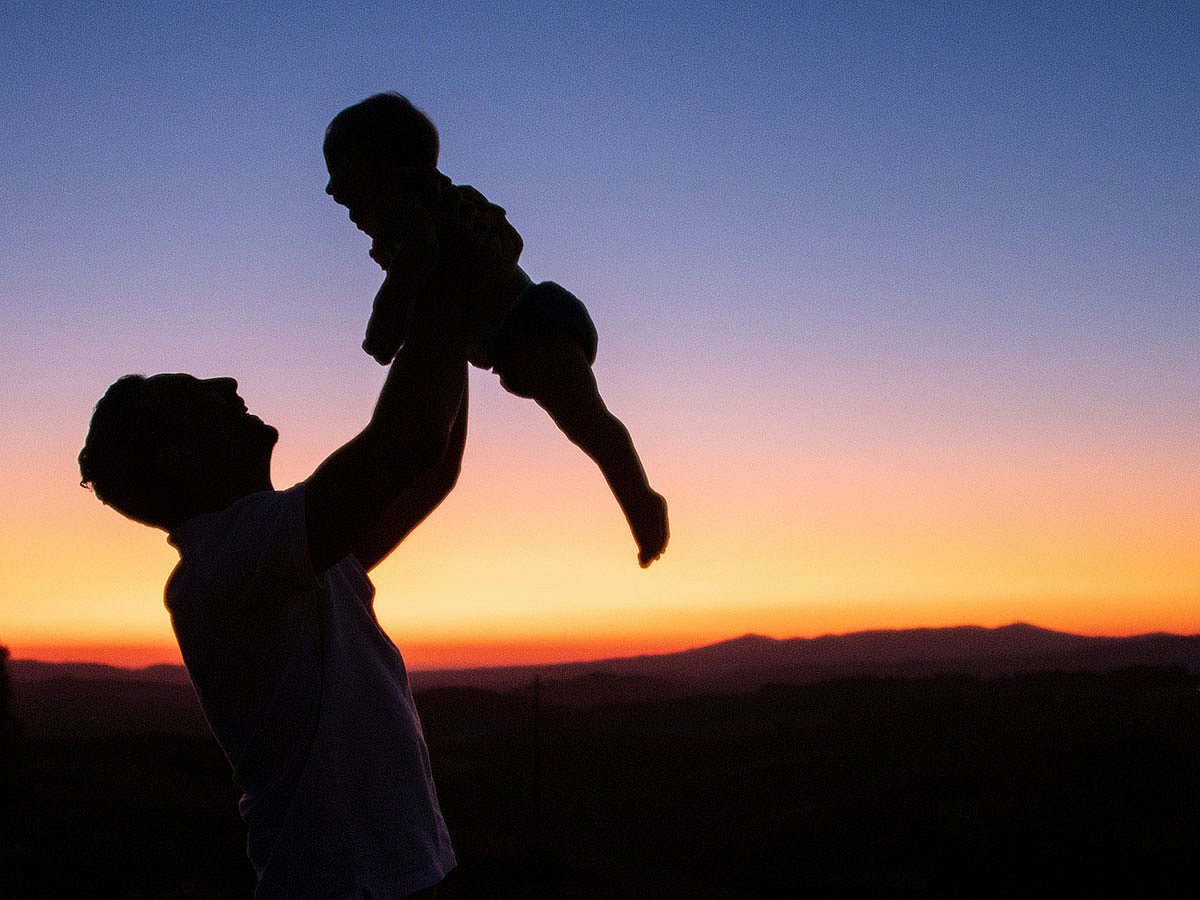
A father and his young son share a smile and glances. Their favourite, machboos, is the centrepiece of dinner tonight. The dad is listening intently and chiming in with encouragement as his son shares the happenings from his day at school. Earlier that day another father was soothing his distressed baby after a pediatric appointment. Seemingly simple and ordinary, these moments are opportunities for learning, emotional connection, and relationship-building. We spend considerable time reasserting what children need to thrive, but far less time considering the conditions that allow fathers to contribute to this thriving.
The science of fatherhood is not only about what happens in those first precious weeks of life. It is also about the relationship between fathers and their children and the conditions that support father involvement.
Family is central to society. As such, UAE’s National Family Policy and the declaration of 2026 as The Year of the Family, reflect the agreed upon importance of values like family cohesion, intergenerational relationships, and shared responsibility. The policy explicitly promotes the importance of balance in the parental roles to include the contributions of both fathers and mothers in family wellbeing.
Link to child development
A father’s involvement is linked meaningfully to child development. Strong father-child attachment, for instance, is connected to positive cognitive, academic, and emotional child wellbeing.