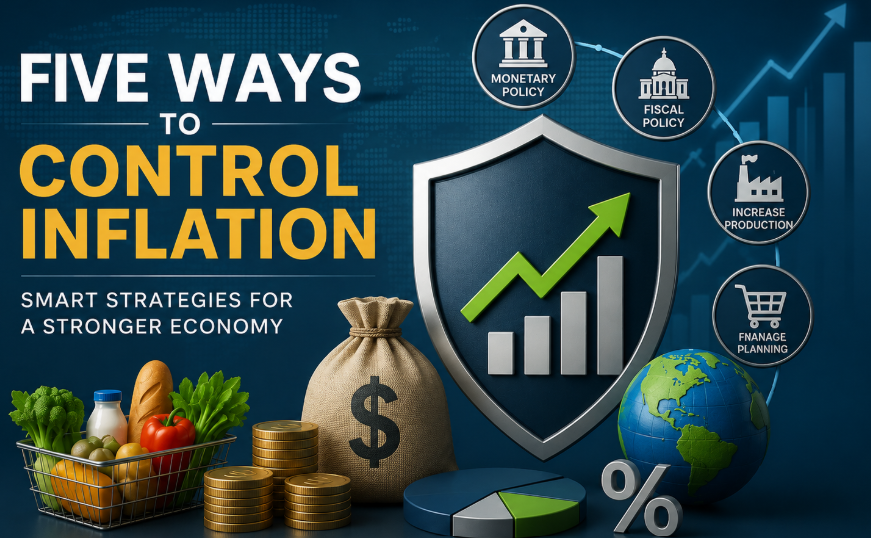
Inflation remains one of the major economic risks affecting investment performance because it erodes the purchasing power of money and reduces the real value of investment returns. In Kenya, the pressure has become more pronounced following the increase in annual inflation to 7.3% in October 2026 from 6.8% in September 2026, according to the Kenya National Bureau of Statistics. This represents an increase of 0.5 percentage points and places inflation close to the Central Bank of Kenya’s (CBK) upper target limit of 7.5%. The increase was primarily driven by higher prices in Food and Non-Alcoholic Beverages, Transport, and Housing, Water, Electricity, Gas and Other Fuels, which recorded annual price increases of 10.2%, 17.1% and 3.7%, respectively. These three categories account for more than 57.0% of the Consumer Price Index (CPI) basket, highlighting the broad impact of rising prices on household expenditure and business operating costs.
The increase in inflation presents an important consideration for investment managers, whose primary responsibility includes preserving investors’ capital while generating sustainable returns. When portfolio returns fall below the prevailing inflation rate, investors experience a decline in purchasing power despite recording positive nominal gains. Consequently, investment managers need to adopt strategies that generate returns above inflation while maintaining appropriate levels of liquidity and risk exposure.