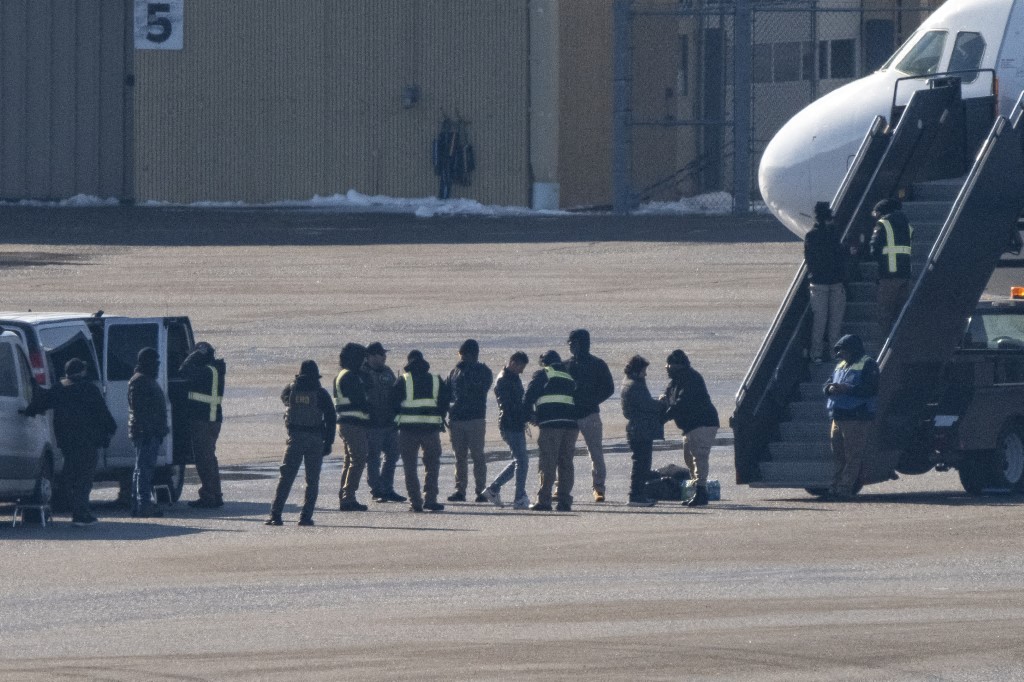
JUBA: Migrants deported by the Trump administration to countries other than their own have endured hunger, thirst and other deprivations while being detained indefinitely in places with poor human rights records and little oversight.
For those expelled to South Sudan, and their families, the ordeal has come at an additional cost.
Guards have solicited and received thousands of dollars from detainees’ families, who were told the money would be used to improve conditions for their loved ones. Instead, the guards pocketed most of the money, families said, while detainees went for days without food or clean water, and months held incommunicado.
“They used our desperate situation,” said Ngoc Phan, a US citizen whose husband Tuan Phan had been detained in South Sudan for nearly a year before he was repatriated to Vietnam in June. “If that’s not exploitation, I don’t know what is.”
It is the inevitable outcome, she said, of a US immigration policy that places deportees in the custody of countries struggling with poverty and corruption, then looks the other way.
Five deportees remain in custody in South Sudan, a country in East Africa where millions face severe hunger and poverty after years of civil conflict and devastating floods. The economy is in tatters, and government workers rarely receive wages.