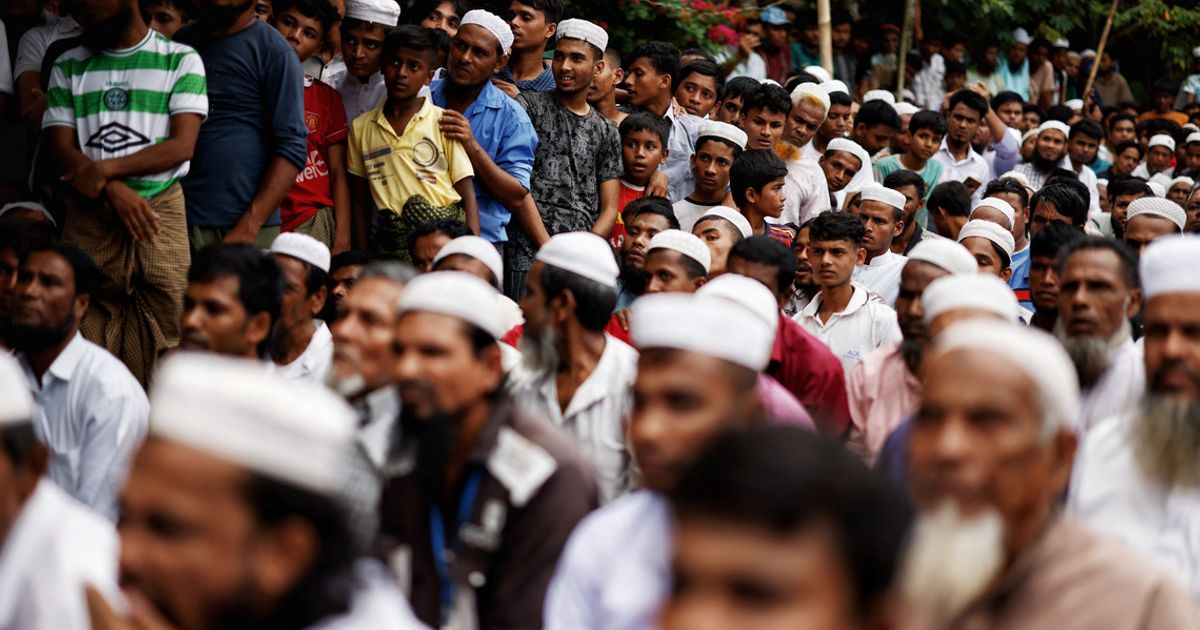
COX'S BAZAR, Bangladesh, Nov 20 - Inside sprawling camps in Bangladesh, thousands of Rohingya refugees celebrated a landmark ruling by the UN's top court on Thursday that Myanmar committed genocide against the mainly Muslim minority during a 2017 military campaign.
But the verdict may not bring the 1.2 million Rohingya living on a southeastern sliver of Bangladesh, near the border with Myanmar, closer to returning to their Buddhist-majority homeland, where a civil war has raged since a 2021 coup.
For Bangladesh, struggling to support the massive Rohingya population as international aid dwindles, the judgment could be a catalyst for their repatriation, which "remains the only viable solution to the crisis," its foreign ministry said.
"It wouldn't happen tomorrow or very soon. We would put pressure multilaterally with other agencies to ensure a safe passage within 1-1.5 years," Bangladesh's state minister for foreign affairs, Humaiun Kobir, told Reuters on Friday, providing the first possible timeline for the repatriation since the verdict.
Years of efforts to send refugees back have failed and Myanmar's government, backed by a military that was chastised by the International Court of Justice for mass executions, sexual violence and arson, is unlikely to embrace repatriation, according to analysts.
"Among the orders is ensuring the safe return to their homeland.