Batteries are a significant part of our everyday lives. We rely on them, from charging our phones to powering our electric vehicles. But as storing electricity safely, particularly on a large scale, remains a challenge, the question that arises is how we can find safer and more sustainable ways to do so?Researchers at University College London (UCL) have now developed a new chemistry that could make water-based batteries more capable of storing energy while retaining one of their biggest advantages: safety. According to UCL's latest report on November 13, 2026, the research team has increased the energy-storage capacity of iodine, the material at the heart of their battery, by making it possible for it to participate in a reaction with four electrons instead of the usual two. The developed chemistry, published in Nature, with Dr Ruwei Chen as the first author and Professor Guanjie He as the corresponding author, helps address one of the longstanding limitations of aqueous batteries and brings them closer to practical use.Why water-based batteries are attracting attentionLithium-ion batteries are present in almost all major devices in our lives, from our laptops and smartphones to electric cars, and they are also being deployed in large facilities designed to store electricity generated by renewable sources.
UCL scientists develop a water-based battery that stores twice as much energy
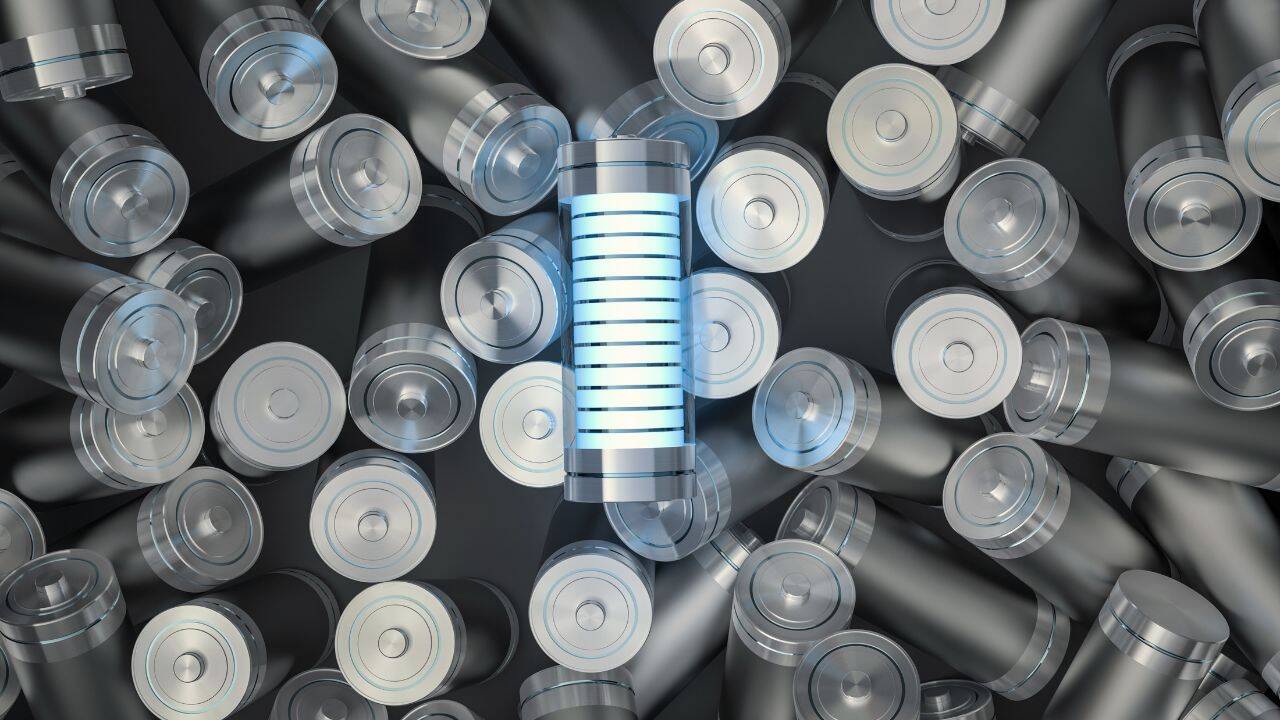
Researchers at University College London have made a significant breakthrough in improving water-based battery technology. By enabling iodine to transfer four electrons instead of two, the energy storage capacity has been increased. This advancement addresses safety concerns associated with conventional batteries by using water-based electrolytes. The research could lead to practical applications in both small…
In brief
Batteries are a significant part of our everyday lives. The developed chemistry, published in Nature, with Dr Ruwei Chen as the first author and Professor Guanjie He as the corresponding author, helps address one of the longstanding limitations of aqueous batteries and brings them closer to practical use.Why water-based batteries are attracting attentionLithium-ion batteries are present in almost all major devices in our lives, from our laptops and smartphones to electric cars, and they are also being deployed in large facilities designed to store electricity generated by renewable sources.
This is the opening of the story, shared with credit to The Times of India — World. The rest of the report — with every detail — continues on the publisher’s website.
Continue reading at The Times of India — World ↗