A vaccine against a common virus can prevent several cancers — but whether teenagers get it depends largely on where they live, European health data shows.Teenage girls in the Nordics, Spain and Portugal are more likely to be vaccinated against HPV, or human papillomavirus, than anywhere else, while boys in Central and Eastern Europe are least likely to get the jab, according to data from the European Centre for Disease Prevention and Control (ECDC).HPV is a group of common viruses, some of which spread through sex. Most infections clear up on their own, but certain types can linger and cause cancer years later. That includes cervical cancer — which kills about 280,000 women worldwide each year — and rarer cancers in both women and men.HPV vaccines have been authorised in the European Union since 2006, and most countries recommend that all girls and boys are vaccinated by the time they are 15. Older people who have not been vaccinated can get catch-up jabs.Health authorities have long recommended two doses, but dozens of countries have switched to a single-dose schedule. Research indicates that even one jab may be enough to protect against infection with the HPV strains most likely to cause cancer.Countries that adopted the vaccine early on, such as Sweden and Scotland, have reported far lower rates of cervical cancer…
This vaccine can prevent cervical cancer. Which Europeans actually get it?
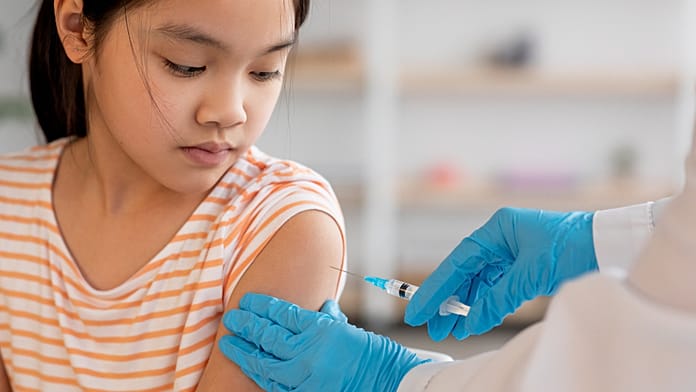
HPV vaccination rates vary by country and gender, EU health data shows.
In brief
A vaccine against a common virus can prevent several cancers — but whether teenagers get it depends largely on where they live, European health data shows.Teenage girls in the Nordics, Spain and Portugal are more likely to be vaccinated against HPV, or human papillomavirus, than anywhere else, while boys in Central and Eastern Europe are least likely to get the jab, according to data from the European Centre for Disease Prevention and Control (ECDC).HPV is a group of common viruses, some of which spread through sex.
This is the opening of the story, shared with credit to Euronews. The rest of the report — with every detail — continues on the publisher’s website.
Continue reading at Euronews ↗