📰 Newspapers

Measles in America: Here's a constructive approach to beating the highly contagious disease, based on Brazil's experience

Measles in America: Here's a constructive approach to beating the highly contagious disease, based on Brazil's experience

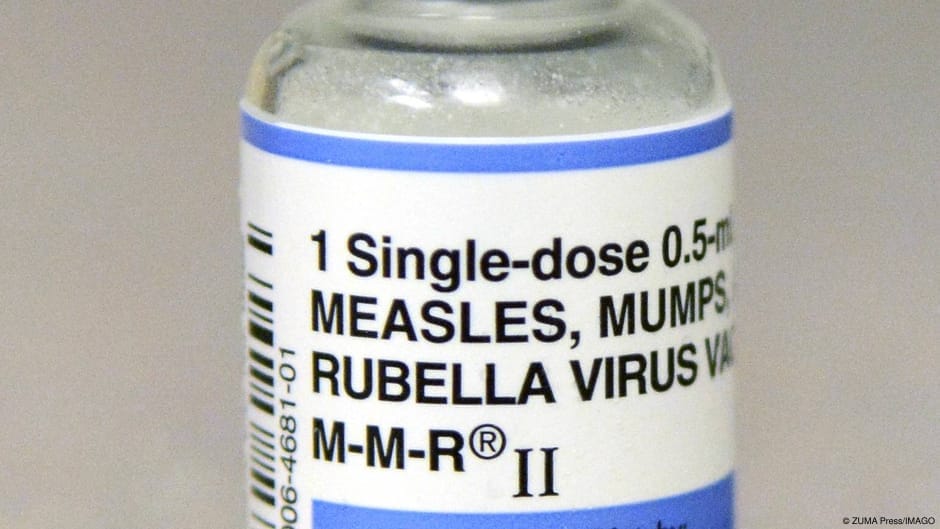
The US is now officially a measles contagion zone. By mid-2026, there were more infections than in all of the previous year. But it could beat measles again, just like Brazil did two years ago.

Health experts saw it coming — the fact that after 26 years, the US would lose its status as measles-free. Back in July 2026, DW reported how one epidemiologist had suggested an 'amnesia' about the measles risk was pushing a growth in US infections.

Four months later, it was official. On November 17, 2026, the Pan American Health Organization (PAHO) said the US had lost its measles elimination status along with Mexico.

But it doesn't have to stay like that for long.

Look at Brazil, where in 2019, with more than 21,000 measles cases, the country also lost its measles-free status. But within five years — during the COVID-19 pandemic — it fought and won back its measles-free status. And since 2024, Brazil has stayed measles-free, even as the highly contagious disease spread across the rest of the Americas.

In 2026, with the data available up to the time of writing this article, Brazil had had only 70 measles cases. They were all linked to infections brought in from abroad, often from neighboring Peru.

Brazil has fewer people than the US, about 213 million compared with the US's nearly 350 million, but the two countries are similar in size. So, the comparison is worth considering.

Brazil moves fast. The PAHO asks countries to respond within 72 hours of a suspected…

In brief

Health experts saw it coming — the fact that after 26 years, the US would lose its status as measles-free. Look at Brazil, where in 2019, with more than 21,000 measles cases, the country also lost its measles-free status. And since 2024, Brazil has stayed measles-free, even as the highly contagious disease spread across the rest of the Americas.

This is the opening of the story, shared with credit to DW — Top stories. The rest of the report — with every detail — continues on the publisher’s website.

Continue reading at DW — Top stories ↗

Cookie settings

Choose which cookies we may use. You can change this at any time from Cookie settings in the footer. Details of each cookie are in the Cookie Policy.

Strictly necessary

Needed for sign-in, security, payments and remembering these choices. Always on.

Preferences

Remember settings such as dark mode.

Analytics & performance

Help us count visits, understand which pages, devices and countries our readers use, and measure how well the site performs – anonymous and aggregated.

Advertising & marketing

Lets advertising partners show and personalise adverts, measure impressions, clicks and visits, prevent ad fraud and pay us – this is how the free site is funded.

🔔 News notifications

Get headlines from NewsHub on this device — even when the site is closed.

You can switch this off at any time. Works on Android, Windows, Mac and Linux browsers; on iPhone/iPad add the site to your Home Screen first.