📰 Newspapers

A Woman ‘Hibernated’ Every Winter for 30 Years. She Shared a Surprising Trait With Ground Squirrels

A Woman ‘Hibernated’ Every Winter for 30 Years. She Shared a Surprising Trait With Ground Squirrels

For decades, this woman entered a "hibernation-like" state that would trigger systemic organ failure in an ordinary person. Scientists now know how she survived.

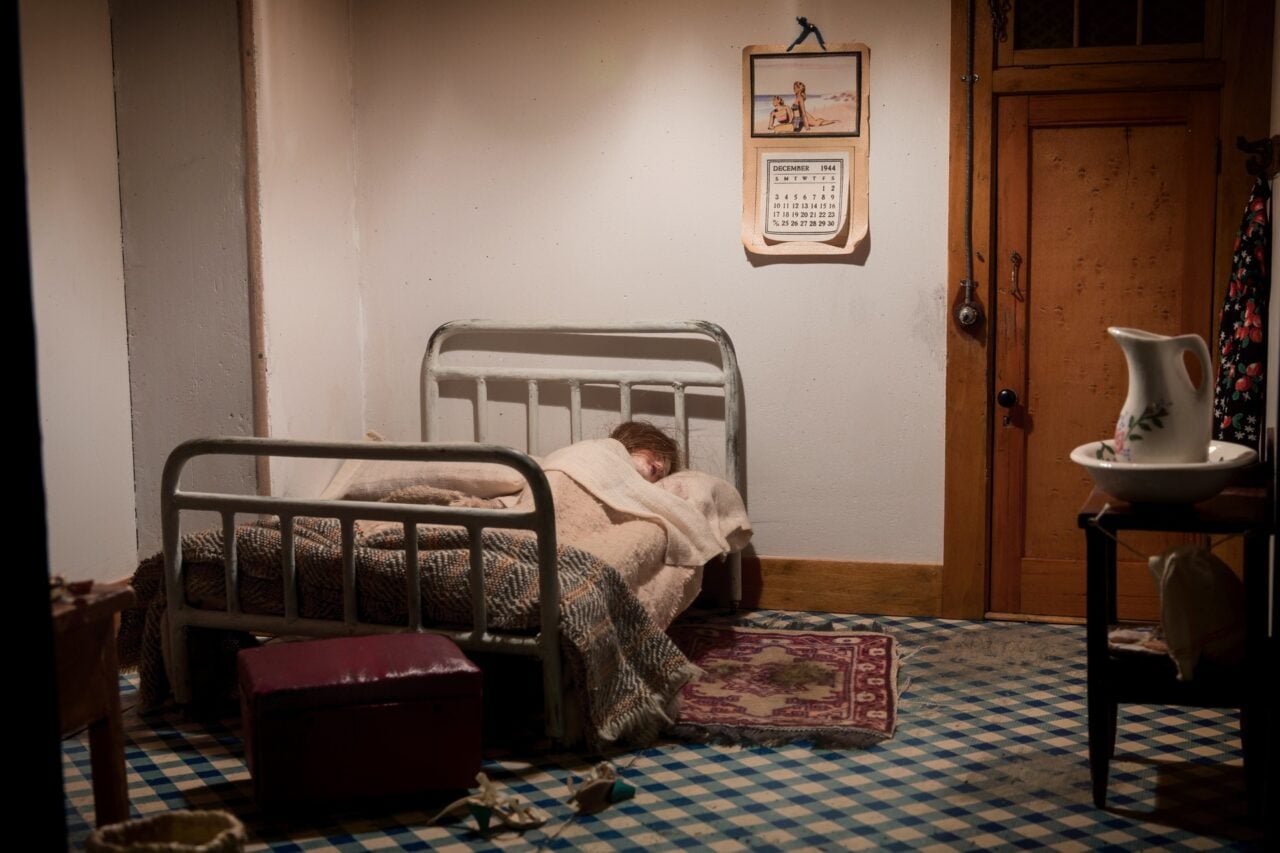
Every winter from at least age 27 until age 57, a woman in the Netherlands underwent what medical researchers call a “hibernation-like syndrome.” Her core body temperature would drop as low as 88 degrees Fahrenheit (31 degrees Celsius). She would sweat profusely at room temperature, entering “stupor-like states.” And yet, year after year, come springtime, she was back to normal.

Now a team of scientists in Amsterdam has documented some of the unique neurological phenomena that appear to have allowed this woman to cycle through these eerie seasonal phases of “spontaneous hypothermia,” for decades, without her suffering major health complications. Even just one instance of a core temperature drop akin to this woman’s winter “hibernation” would be enough to cause systemic organ damage in many other people, the researchers noted. What they discovered instead was a curious reduction in synaptophysin, a protein that helps neurons communicate, in the hypothalamus, the region of the brain that regulates body temperature, hunger, thirst, and sleep.

“Levels of synaptophysin in the hypothalamus decrease during hibernation in ground squirrels, suggesting a possible parallel between the woman’s condition and changes seen in hibernating mammals,” as Chiu-Xia Yi, an endocrinology and metabolism researcher with the Amsterdam University Medical Center, explained to New Scientist.


In brief

Every winter from at least age 27 until age 57, a woman in the Netherlands underwent what medical researchers call a “hibernation-like syndrome. She would sweat profusely at room temperature, entering “stupor-like states. Even just one instance of a core temperature drop akin to this woman’s winter “hibernation” would be enough to cause systemic organ damage in many other people, the researchers noted.

This is the opening of the story, shared with credit to Gizmodo. The rest of the report — with every detail — continues on the publisher’s website.

Continue reading at Gizmodo ↗

Cookie settings

Choose which cookies we may use. You can change this at any time from Cookie settings in the footer. Details of each cookie are in the Cookie Policy.

Strictly necessary

Needed for sign-in, security, payments and remembering these choices. Always on.

Preferences

Remember settings such as dark mode.

Analytics & performance

Help us count visits, understand which pages, devices and countries our readers use, and measure how well the site performs – anonymous and aggregated.

Advertising & marketing

Lets advertising partners show and personalise adverts, measure impressions, clicks and visits, prevent ad fraud and pay us – this is how the free site is funded.

🔔 News notifications

Get headlines from NewsHub on this device — even when the site is closed.

You can switch this off at any time. Works on Android, Windows, Mac and Linux browsers; on iPhone/iPad add the site to your Home Screen first.