

By Anthony Deutsch and Stephanie van den Berg
THE HAGUE, Nov 20 (Reuters) - The International Court of Justice's landmark ruling that Myanmar committed genocide against the Rohingya will strengthen South Africa's genocide case against Israel over the war in Gaza, legal experts said, establishing a precedent that genocidal intent can coexist with a military objective.
While the conflicts in Gaza and Myanmar are legally distinct, both cases before theWorld Court are based on allegations that states breached their obligations under the 1948 Genocide Convention.
On Thursday, the court found that Myanmar had violated the convention on multiple grounds stemming from mistreatment of the Muslim Rohingya minority by the armed forces.
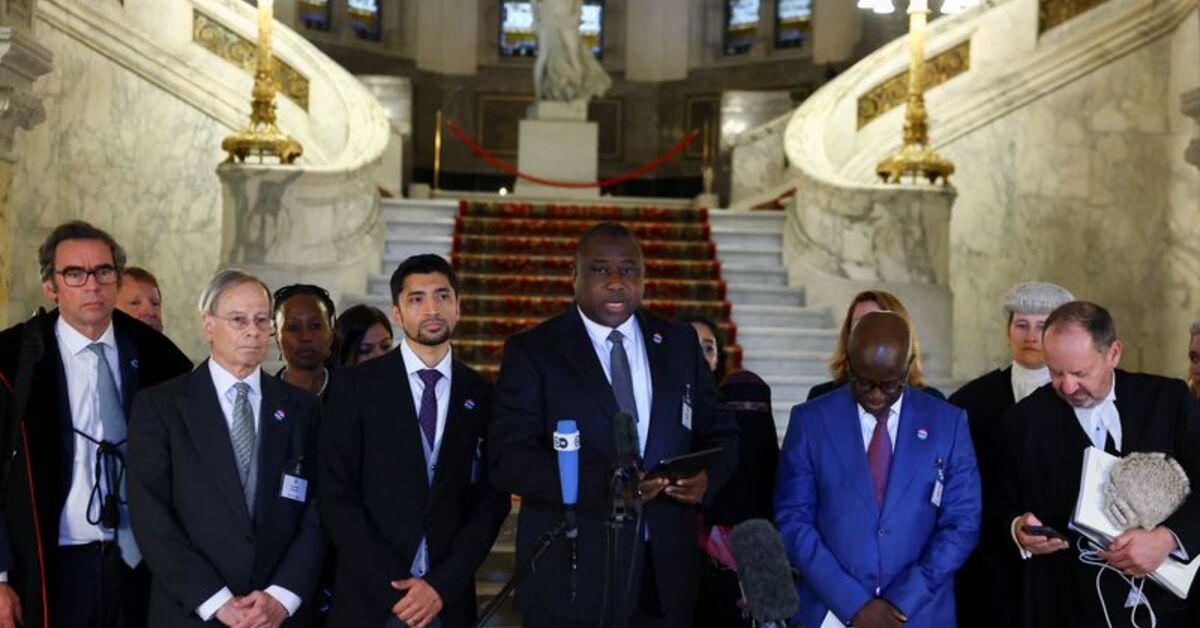
South Africa, which has brought a genocide case against Israel over its conduct in Gaza, welcomed the judgment. Foreign Minister Ronald Lamola said it set an important precedent by establishing for the first time that a state had committed genocide. He said it was of "great significance" to the case against Israel, which is not expected to be argued until 2029.
Both Myanmar and Israel have defended the actions of their armed forces as legitimate responses to insurgencies.