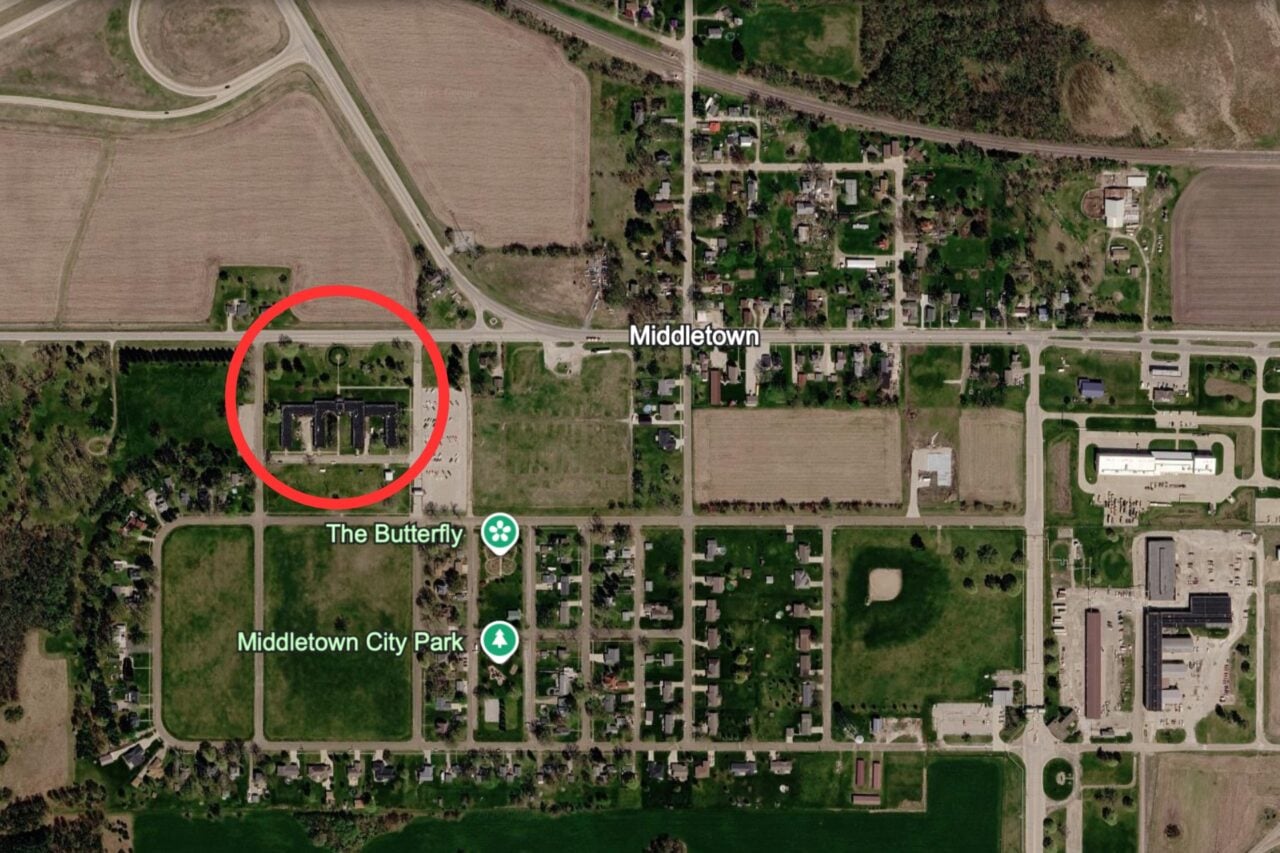
The planned detonation of several tons of lead azide, an explosive chemical, in southeast Iowa has been delayed until Monday following public outcry and a petition filed by environmental groups. The controlled blast, originally scheduled for today, could spread a plume of lead particles as far as 100 miles (160 kilometers) from the site.
Earlier this year, staff at the Iowa Army Ammunition Plant in Middletown found 68 drums containing degraded lead azide, “creating a highly unstable and dangerous situation,” an emergency permit approved last week by the U.S. Environmental Protection Agency states. According to the U.S. Army, recrystallization of the chemical has made it too volatile to move or chemically treat.
On-site detonation is therefore the safest way to prevent an accidental detonation—a risk that rises as colder weather sets in.
“An accidental detonation would result in the sudden, uncontrolled release of vaporized lead, particulate matter, and toxic combustion gases (such as nitrogen oxides and carbon monoxide),” the Army’s environmental assessment states. Without meteorological planning or atmospheric modeling, the toxic plume could get trapped near the blast site or spread directly into populated civilian or agricultural areas, “causing severe health impacts.”
However, Iowans and environmentalists are still concerned about the air pollution that will result from the Army’s controlled detonations.