Austria, Denmark, Germany, Greece and the Netherlands have announced plans to set up a return hub in Rwanda, which they say will allow the EU to secure control of its borders.The group of five want to start deporting rejected asylum seekers — and those who have exhausted all appeal options against their removal — to Rwanda in 2027. Today's Euronews Verify episode takes a closer look at the measure. The details of the return hubs are still being ironed out, but the first is expected to accommodate around 100 people with no legal right to stay in the EU at a time, in a pilot run of the model.Those moved to Rwanda will be free to live and work there or return to their home countries.Announcing the plan on 16 November, Denmark's Prime Minister Mette Frederiksen said that the move will serve as a strong deterrent for anyone looking to enter the EU illegally."The signal that we are sending, that you can no longer enter the European Union illegally and think that you can just stay around ... will prevent a lot and ensure that thousands of people will think it through before starting their journey into Europe," she said.Rwanda has also hailed the plan as a way to "protect the right to asylum while treating migrants with dignity at…
What do we know about Rwanda return hubs and how effective will they be?
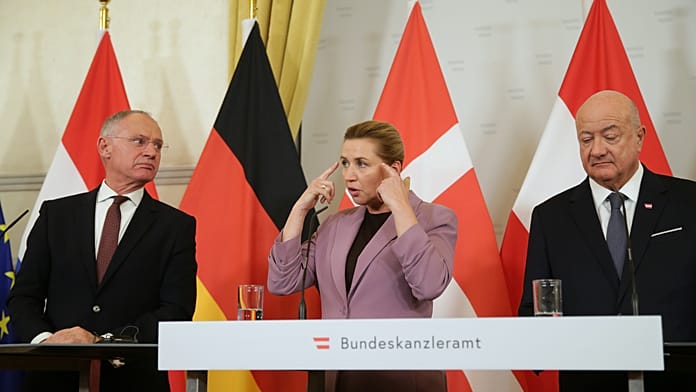
Five EU countries have announced a controversial plan to set up a centre in Rwanda for migrants with no legal right to stay in Europe. While supporters say it will help governments to deter illegal immigration, critics are concerned about potential human rights violations and a lack of oversight.
In brief
Austria, Denmark, Germany, Greece and the Netherlands have announced plans to set up a return hub in Rwanda, which they say will allow the EU to secure control of its borders.The group of five want to start deporting rejected asylum seekers — and those who have exhausted all appeal options against their removal — to Rwanda in 2027. Today's Euronews Verify episode takes a closer look at the measure. The details of the return hubs are still being ironed out, but the first is expected to accommodate around 100 people with no legal right to stay in the EU at a time, in a pilot run of the model.Those moved to Rwanda will be free to live and work there or return to their home countries.Announci…
This is the opening of the story, shared with credit to Euronews. The rest of the report — with every detail — continues on the publisher’s website.
Continue reading at Euronews ↗