📰 Newspapers

Scientists are learning more about the rare Ebola virus in Congo outbreak

Scientists are learning more about the rare Ebola virus in Congo outbreak

Researchers are gaining insights into the rare Bundibugyo strain amid the ongoing Ebola outbreak in the Democratic Republic of Congo, hoping to control its spread.

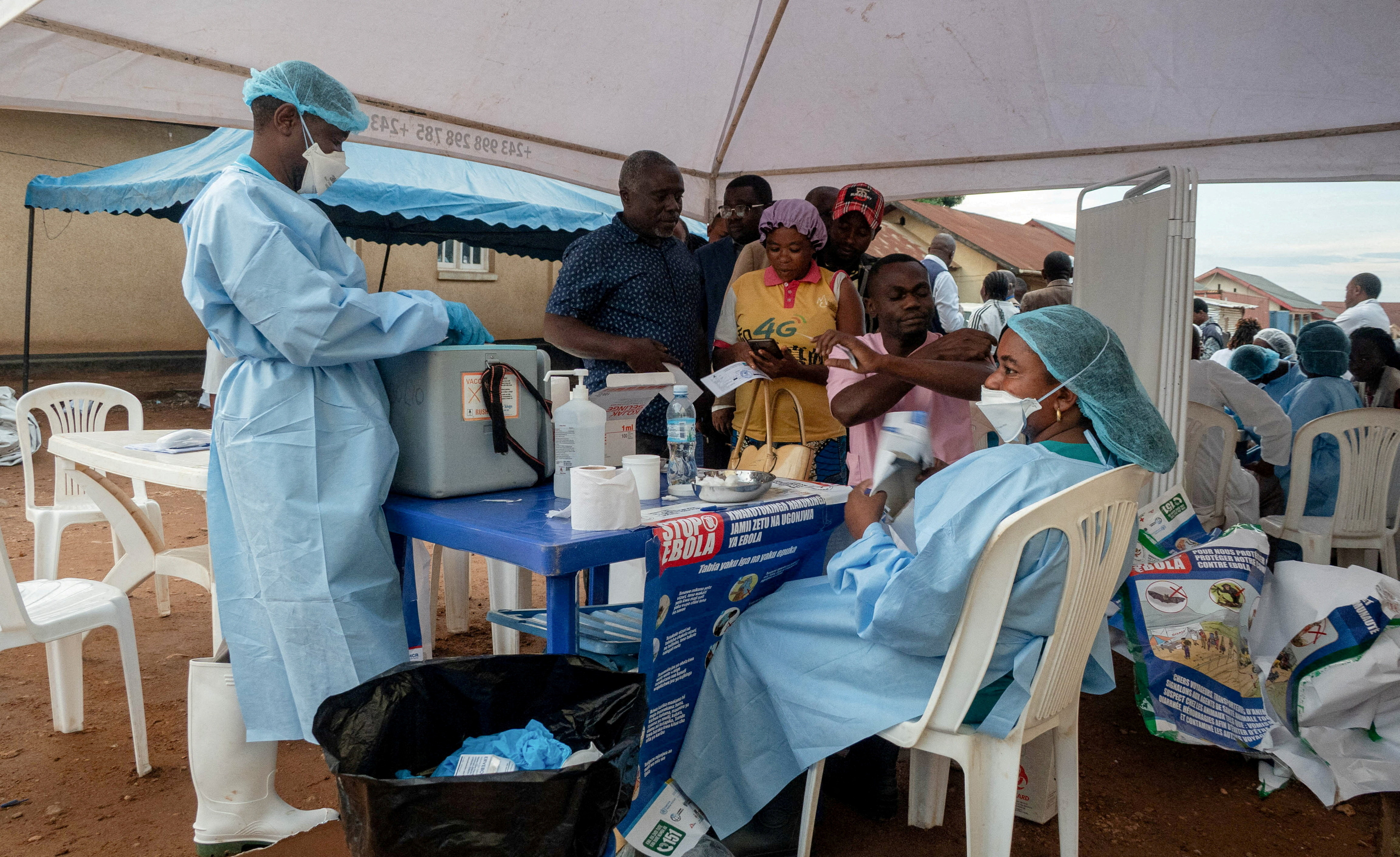
LONDON: More than six months into a devastating Ebola outbreak in the Democratic Republic of Congo, scientists and medics are beginning to gain a better understanding of the rare Bundibugyo version of the virus, which they hope can help explain its rapid spread and, ultimately, stop ​it.

There have been more than 11,000 cases and over 5,500 deaths so far, with the Bundibugyo virus spreading at double the pace of the 2014-2016 Ebola outbreak in West Africa, the largest on record. There are no licensed treatments or vaccines to fight it.

The outbreak’s location in a part of eastern Congo already facing a humanitarian crisis could be complicating what scientists are finding, several experts said, and cautioned against drawing early conclusions as data is limited, varied and often difficult to collect.

“There are so many different factors to compare across outbreaks, even within outbreaks — it is really hard,” said Daniel Bausch, a member of the World Health Organization’s Ebola emergency committee and visiting professor at the Geneva Graduate Institute in Switzerland.

Catherine Smallwood, the WHO’s Ebola incident manager, said teams were gathering evidence to help better inform the response.

“Soon we’ll be able to make some bold statements about what’s the same, ‌what’s different, and ‌what we need to adjust,” she said.

In brief

LONDON: More than six months into a devastating Ebola outbreak in the Democratic Republic of Congo, scientists and medics are beginning to gain a better understanding of the rare Bundibugyo version of the virus, which they hope can help explain its rapid spread and, ultimately, stop ​it. Catherine Smallwood, the WHO’s Ebola incident manager, said teams were gathering evidence to help better inform the response.

This is the opening of the story, shared with credit to Arab News. The rest of the report — with every detail — continues on the publisher’s website.

Continue reading at Arab News ↗

Cookie settings

Choose which cookies we may use. You can change this at any time from Cookie settings in the footer. Details of each cookie are in the Cookie Policy.

Strictly necessary

Needed for sign-in, security, payments and remembering these choices. Always on.

Preferences

Remember settings such as dark mode.

Analytics & performance

Help us count visits, understand which pages, devices and countries our readers use, and measure how well the site performs – anonymous and aggregated.

Advertising & marketing

Lets advertising partners show and personalise adverts, measure impressions, clicks and visits, prevent ad fraud and pay us – this is how the free site is funded.

🔔 News notifications

Get headlines from NewsHub on this device — even when the site is closed.

You can switch this off at any time. Works on Android, Windows, Mac and Linux browsers; on iPhone/iPad add the site to your Home Screen first.