📰 Newspapers

US judge approves Bayer's $7.25 billion cancer settlement

US judge approves Bayer's $7.25 billion cancer settlement

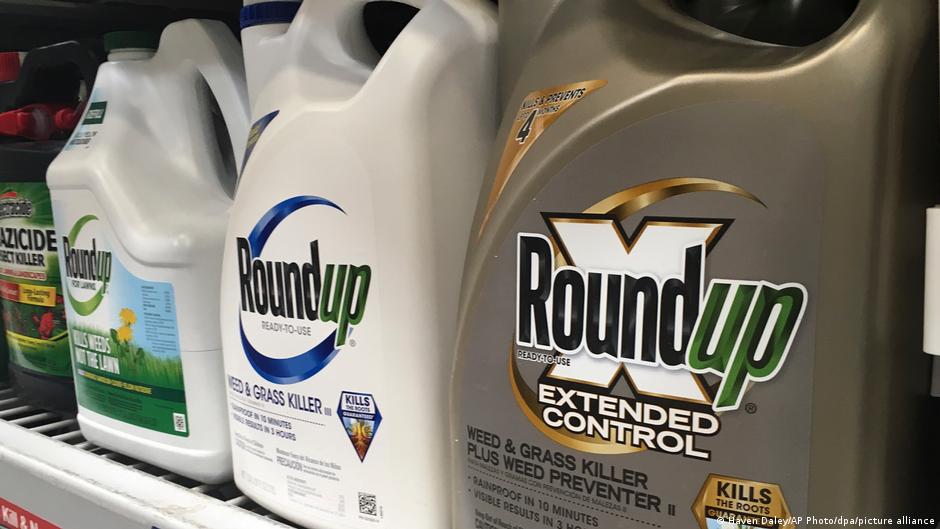
Bayer could end years of costly lawsuits in the US over claims that its Roundup weedkiller causes cancer. Tens of thousands of people could now receive compensation, although some lawyers say the payments are too low.

A US judge on Friday approved German chemical giant Bayer's $7.25 billion (€6.60 billion) settlement of lawsuits claiming its Roundup weedkiller causes cancer.

Judge Timothy Boyer in the US state of Missouri ruled that the agreement was "fair, reasonable, and adequate."

The decision could help Bayer end years of costly legal battles over Roundup, which the company acquired when it bought US weedkiller producer Monsanto in 2018.

"The court's final approval is a decisive milestone in the company's strategy to mitigate the risks of both pending and future Roundup litigation," Bayer CEO Bill Anderson said.

The agreement covers tens of thousands of people who say they developed non-Hodgkin lymphoma, a type of blood cancer, after using Roundup.

It also covers people who may be diagnosed with the disease in the future after previous exposure to the weedkiller.

Bayer will pay up to $7.25 billion into a special fund over the next 21 years.

Individual payments are expected to average between $10,000 and $165,000. The amount will depend on factors including the patient's age, the severity of the illness and how long they were exposed to Roundup.

Some lawyers representing cancer patients have criticized the payments as too low.

But the judge rejected their objections, saying that further delays could leave seriously ill patients waiting years for compensation.

In brief

A US judge on Friday approved German chemical giant Bayer's $7.25 billion (€6.60 billion) settlement of lawsuits claiming its Roundup weedkiller causes cancer. The decision could help Bayer end years of costly legal battles over Roundup, which the company acquired when it bought US weedkiller producer Monsanto in 2018. Some lawyers representing cancer patients have criticized the payments as too low.

This is the opening of the story, shared with credit to DW — Top stories. The rest of the report — with every detail — continues on the publisher’s website.

Continue reading at DW — Top stories ↗

Cookie settings

Choose which cookies we may use. You can change this at any time from Cookie settings in the footer. Details of each cookie are in the Cookie Policy.

Strictly necessary

Needed for sign-in, security, payments and remembering these choices. Always on.

Preferences

Remember settings such as dark mode.

Analytics & performance

Help us count visits, understand which pages, devices and countries our readers use, and measure how well the site performs – anonymous and aggregated.

Advertising & marketing

Lets advertising partners show and personalise adverts, measure impressions, clicks and visits, prevent ad fraud and pay us – this is how the free site is funded.

🔔 News notifications

Get headlines from NewsHub on this device — even when the site is closed.

You can switch this off at any time. Works on Android, Windows, Mac and Linux browsers; on iPhone/iPad add the site to your Home Screen first.