📰 Newspapers

12 photographers with autism show Baguio how they see the world

12 photographers with autism show Baguio how they see the world

At an exhibit beside a bonfire in Camp John Hay, Art Heals celebrates a dozen photographers whose work is opening conversations about creativity, livelihood, and independence

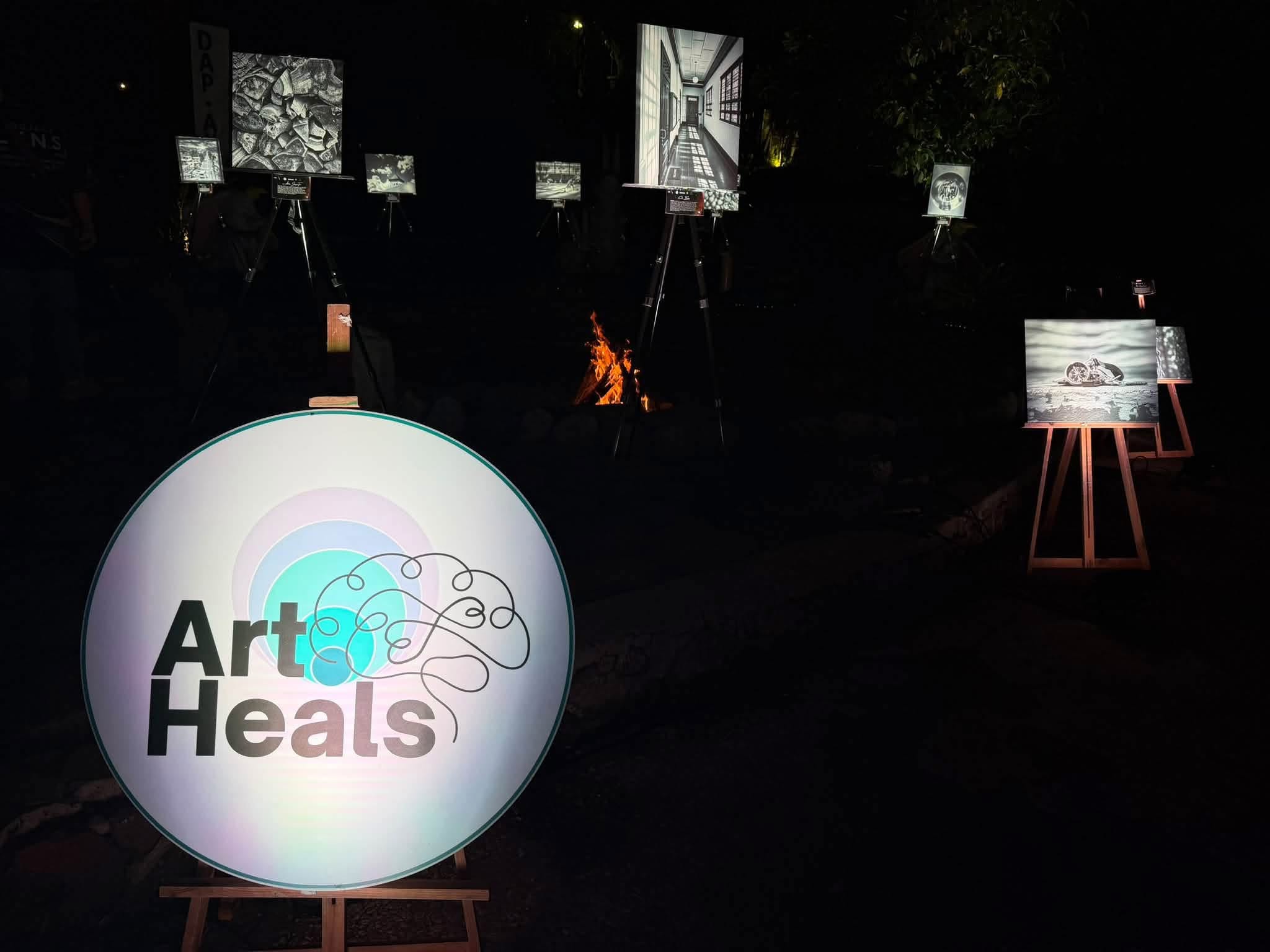
BAGUIO, Philippines – When I arrived at the Dap-ay of the John Hay Hotels, the fire was roaring, and so was the art.

Around the bonfire, black-and-white photographs stood on easels, illuminated against the evening darkness. There was a hallway filled with sunlight, a stack of firewood, a motorcycle, the rough bark of a tree, and familiar corners of Baguio that most of us probably pass without a second glance.

I moved from one photograph to another, admiring the angles, textures, and careful use of light. Some were beautifully simple. Others made me look twice.

The photographs were the work of 12 people with autism, aged 16 to 33, participating in The Thinking Photographer, an exhibition organized by Art Heals as part of Project LENS, or Livelihood Empowerment through Nurturing Skills.

Their works were impressive enough to merit an exhibition on their own. But the organizers also wanted to turn artistic interests into practical skills and, eventually, opportunities to earn a living.

For families of children with autism, that possibility addresses a question that becomes more pressing with time. What opportunities will be available to their children when they become adults?

The photographer who learned from his students

Photographer and designer Eros Goze mentored the participants in a workshop that grew from one session into two.

In brief

BAGUIO, Philippines – When I arrived at the Dap-ay of the John Hay Hotels, the fire was roaring, and so was the art. Around the bonfire, black-and-white photographs stood on easels, illuminated against the evening darkness. For families of children with autism, that possibility addresses a question that becomes more pressing with time. What opportunities will be available to their children when they become adults?

This is the opening of the story, shared with credit to Rappler (Philippines). The rest of the report — with every detail — continues on the publisher’s website.

Continue reading at Rappler (Philippines) ↗

Cookie settings

Choose which cookies we may use. You can change this at any time from Cookie settings in the footer. Details of each cookie are in the Cookie Policy.

Strictly necessary

Needed for sign-in, security, payments and remembering these choices. Always on.

Preferences

Remember settings such as dark mode.

Analytics & performance

Help us count visits, understand which pages, devices and countries our readers use, and measure how well the site performs – anonymous and aggregated.

Advertising & marketing

Lets advertising partners show and personalise adverts, measure impressions, clicks and visits, prevent ad fraud and pay us – this is how the free site is funded.

🔔 News notifications

Get headlines from NewsHub on this device — even when the site is closed.

You can switch this off at any time. Works on Android, Windows, Mac and Linux browsers; on iPhone/iPad add the site to your Home Screen first.