

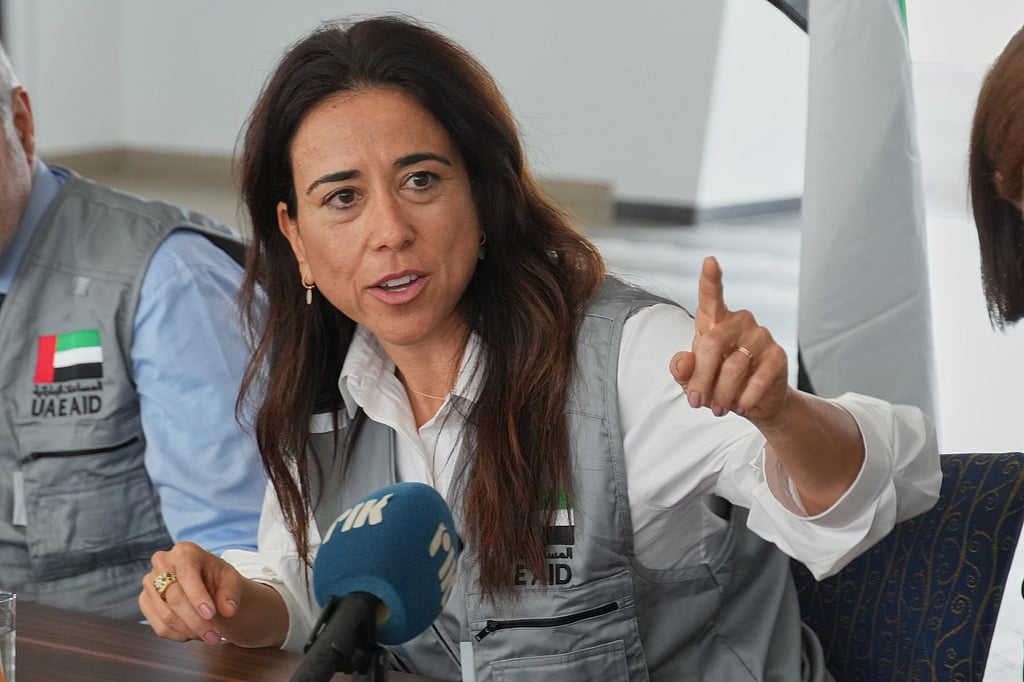
Women’s participation in politics has grown steadily over the past decades, and there is still room to grow. According to the Inter-Parliamentary Union and UN Women, as of January 2026, 28 countries were led by women, and women held 27.4 percent of parliamentary seats worldwide. Yet each step forward brings a wider range of experience into decisions relating to health, education, human rights, peace, and security.
Many women have helped this growing progress of participation in the world of politics, and Lana Nusseibeh is a noteworthy example. In 2013, she became the first woman to serve as the UAE’s permanent representative to the UN. In 2017, she was the president of the UN Women executive board and a vice-president of the General Assembly. In 2022, during the UAE’s term on the security council, she helped advance a 2023 resolution that established a humanitarian aid mechanism for Gaza.
On October 21, the UAE formally nominated Lana Nusseibeh to succeed Antonio Guterres as UN Secretary-General. All six of the GCC countries have backed her nomination. She would be the first woman to lead the UN if selected.
National path
Moreover, her journey shows a broader national path. The UAE has always been supportive of women’s political participation and leadership.


