

Close your eyes and cover your ears. Much of the world around you disappears from view and hearing, but your sense of being present – of being conscious – remains. What creates that basic feeling of being “you”?A new hypothesis from the Hebrew University of Jerusalem (HUJI) proposes that our basic sense of being conscious – the “Me Inside” – originates in the brain stem, the stalk-like structure at the base of the brain that connects the cerebrum and cerebellum to the spinal cord. This evolutionarily ancient part of the brain acts as a vital control center for life-sustaining autonomic functions and serves as the main pathway for motor and sensory signals.Drawing on evidence from pain research, brain injuries, and anesthesia, the researchers suggest that the cerebral cortex processes much of the information we experience, while brainstem circuits make that information consciously felt.Veteran pain expert Prof. Marshall Devor and neuroscientist Dr. Mark Baron of HUJI and Harvard Medical School's Beth Israel Deaconess Medical Center have just published their findings in the prestigious journal The Neuroscientist under the title “Brainstem Theory of Consciousness.”Until now, neuroscientists have identified the source of conscious experience primarily in the cerebral cortex – the brain's folded outer layer that is responsible for complex functions including language, recognition, and planning.
Where does consciousness begin? Israeli researchers point to a surprising part of the brain
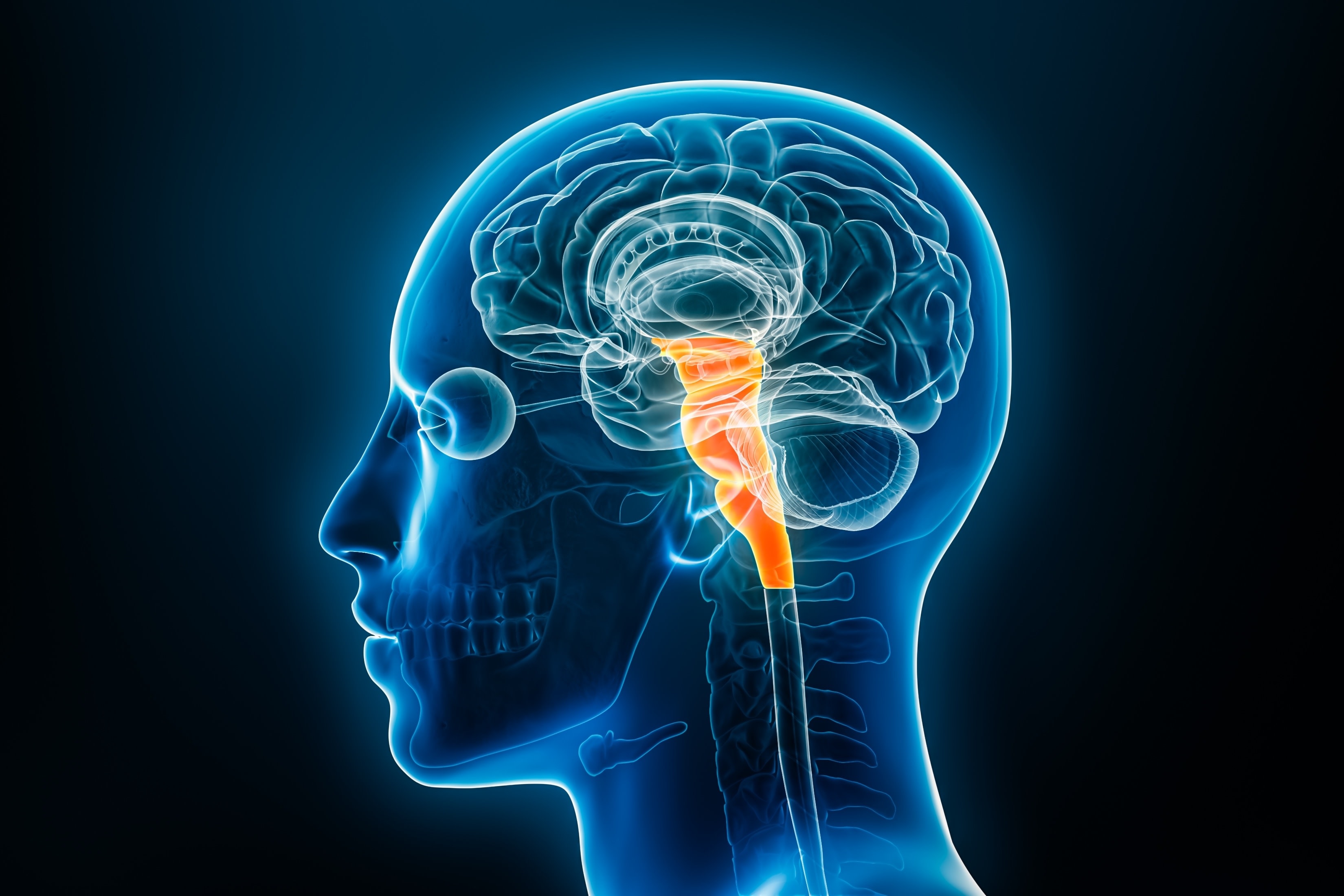
Hebrew University researchers propose that the brain stem, not the cerebral cortex, may generate our basic sense of conscious experience.
In brief
Close your eyes and cover your ears. Much of the world around you disappears from view and hearing, but your sense of being present – of being conscious – remains. This evolutionarily ancient part of the brain acts as a vital control center for life-sustaining autonomic functions and serves as the main pathway for motor and sensory signals.Drawing on evidence from pain research, brain injuries, and anesthesia, the researchers suggest that the cerebral cortex processes much of the information we experience, while brainstem circuits make that information consciously felt.Veteran pain expert Prof.
This is the opening of the story, shared with credit to The Jerusalem Post. The rest of the report — with every detail — continues on the publisher’s website.
Continue reading at The Jerusalem Post ↗