There is one aspect of politics in which nobody in Israel can match Benjamin Netanyahu: his ability to take whatever election results emerge, portray them as a victory and form a government. Shamelessness and a lack of any moral compass have served the Israeli leader’s unquenchable thirst for power. Over time, these have been accompanied by a strong sense of entitlement, which has most probably contributed to the corruption trial he is facing and vice versa.
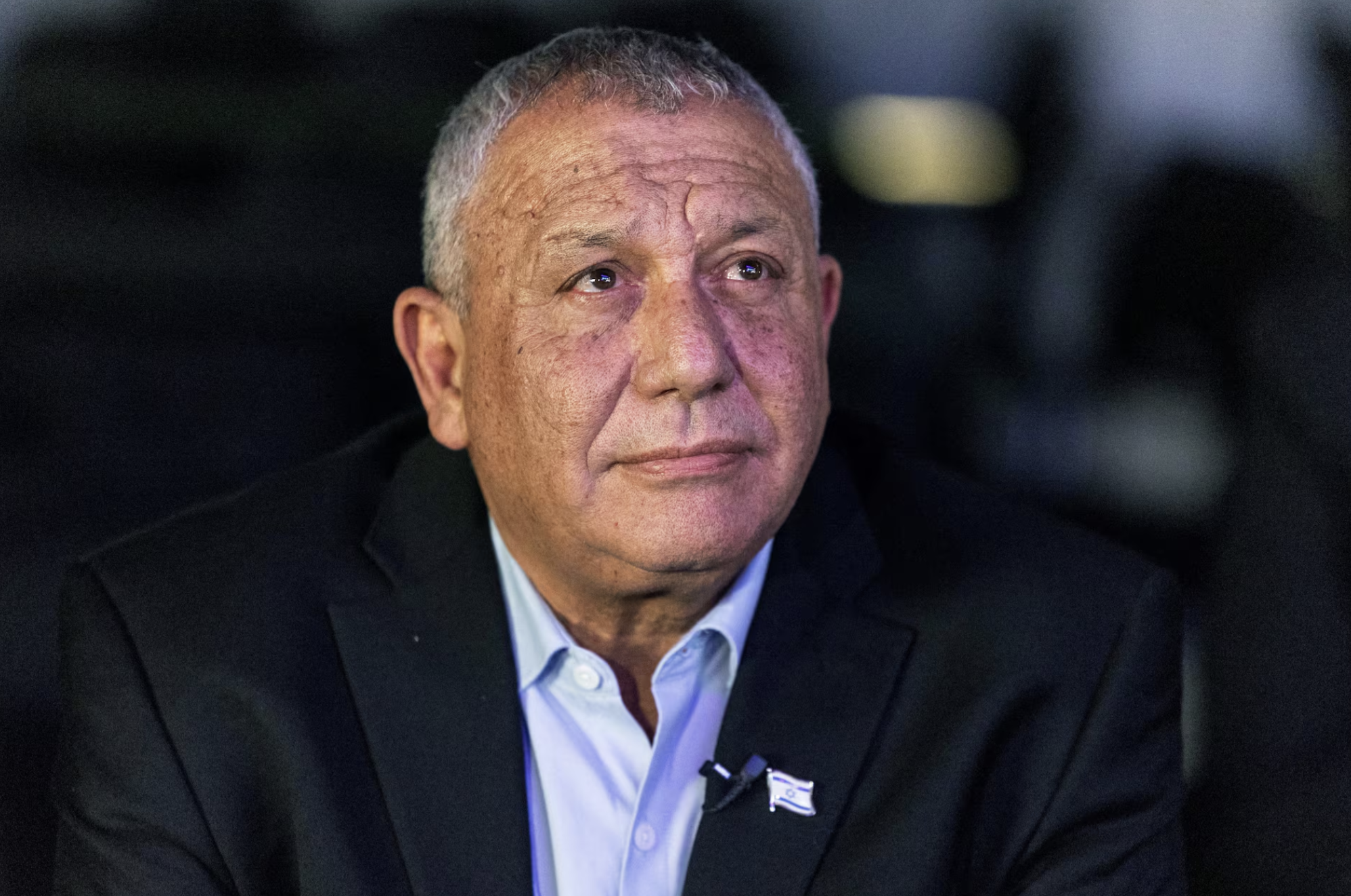
Last month’s election presented him with a different challenge: playing the role of disruptor primarily, hoping to secure another opportunity at the ballot box, as he appears incapable of retaining the position of prime minister. The odds of preventing this outcome are with Gadi Eisenkot, but he needs to genuinely believe that forming a coalition is within his grasp and translate the majority of the members of the Knesset opposed to another Netanyahu government into a viable political force, presenting Israel with a genuine alternative.
By the time this is written, nearly two weeks of the four weeks allocated to Eisenkot to form a government will have passed though he can request a two-week extension. His task is multifaceted.