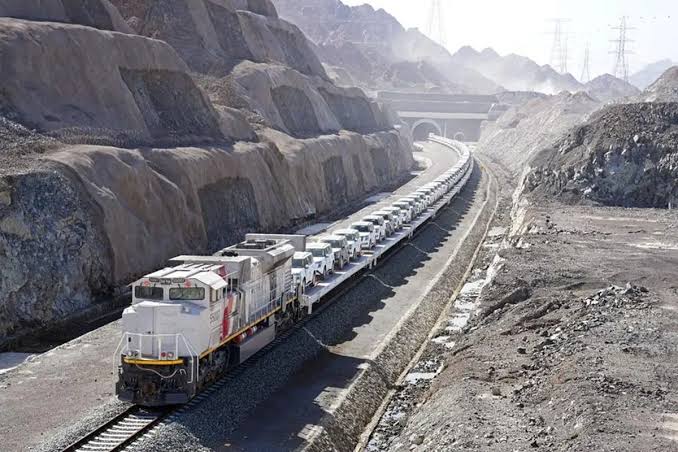
When the Gulf Cooperation Council endorsed plans for a common railway in 2009, the project reflected a far-sighted ambition: six neighboring economies were to become a more integrated regional market. On Nov. 8, that ambition took a decisive step forward. GCC transport ministers, meeting in Bahrain, signed a general agreement to advance a railway network of about 2,100 km, connecting all six member states, with full operation targeted for December 2030. This agreement is more than just another infrastructure commitment. It gives Gulf integration a practical institutional framework and a clear timeline for delivery.
A project of this scale was always going to demand careful alignment between national priorities, financing models and cross-border coordination. The events of 2026 have brought fresh clarity to its purpose. The regional war, the disruption of shipping through the Strait of Hormuz and threats to critical infrastructure have underlined the strategic value of connected transport networks. What began as an economic vision has become a cornerstone of collective resilience and Gulf leaders have responded with renewed resolve.
The railway’s journey reflects the realities of building shared infrastructure across sovereign states. The original 2018 timeline was adjusted as governments managed the fall in oil prices between 2014 and 2016 and prudently reprioritized public spending.