The University of St Andrews has developed a simpler and less invasive way of collecting DNA samples from whales using small drones to gather what is commonly known as whale snot. In a news report published on November 17, 2026, scientists successfully sequenced whole whale genomes using samples collected off the coast of British Columbia, Canada.The team devised a method to sequence whole nuclear and mitochondrial genomes specifically through the whales' exhaled breath. This is the first time whole genomes have been sequenced using whale blow samples collected without invasive physical interventions such as darts or biopsies, or the need for close boat approaches.The findings, published in thejournal Molecular Ecology Resources, offer a new way of studying whale populations and their genetic makeup through a method that could make genetic research a far less intrusive and more practical scientific process.Collecting DNA from a whale's breathWhen humpback whales surface after spending time underwater, they forcefully exhale through their blowholes, releasing a mixture of air and water droplets. This is commonly referred to as a whale blow. What can look like nothing more than a burst of spray above the ocean's surface can actually contain biological material from the animal itself, including DNA that researchers are interested in studying.For the examination, scientists attached sterile Petri dishes to small commercially available drones, which…
Scientists flew drones through humpback whales' breath off Canada and sequenced entire genomes
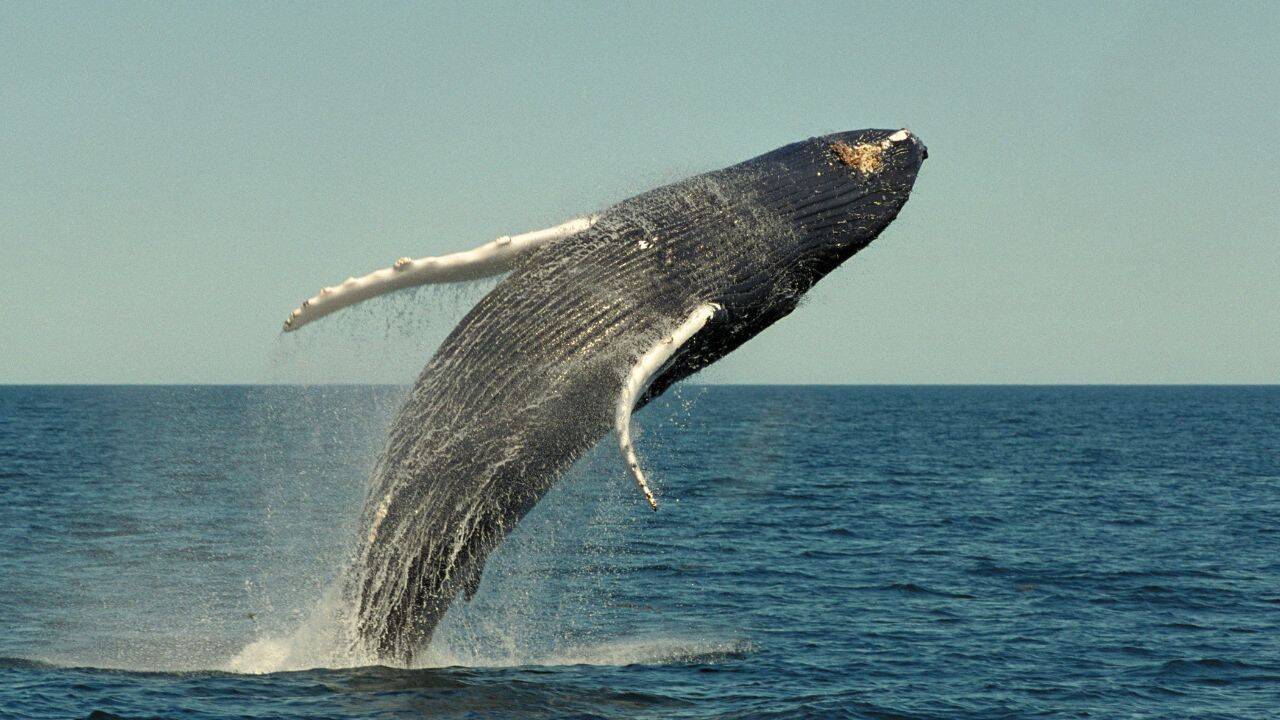
Researchers at the University of St Andrews have pioneered a groundbreaking technique to harness whale DNA through the use of drones. This method captures genetic material from the whales' breath, often referred to as whale snot. Their findings successfully sequenced complete genomes from specimens gathered off the coast of British Columbia.
In brief
The University of St Andrews has developed a simpler and less invasive way of collecting DNA samples from whales using small drones to gather what is commonly known as whale snot. In a news report published on November 17, 2026, scientists successfully sequenced whole whale genomes using samples collected off the coast of British Columbia, Canada.The team devised a method to sequence whole nuclear and mitochondrial genomes specifically through the whales' exhaled breath.
This is the opening of the story, shared with credit to The Times of India — World. The rest of the report — with every detail — continues on the publisher’s website.
Continue reading at The Times of India — World ↗