📰 Newspapers

How long can fiber optic cables be before they lose signal?

How long can fiber optic cables be before they lose signal?

Fiber optic cables can span your neighborhood or multiple continents, but there are limitations to this technology's communication capabilities.

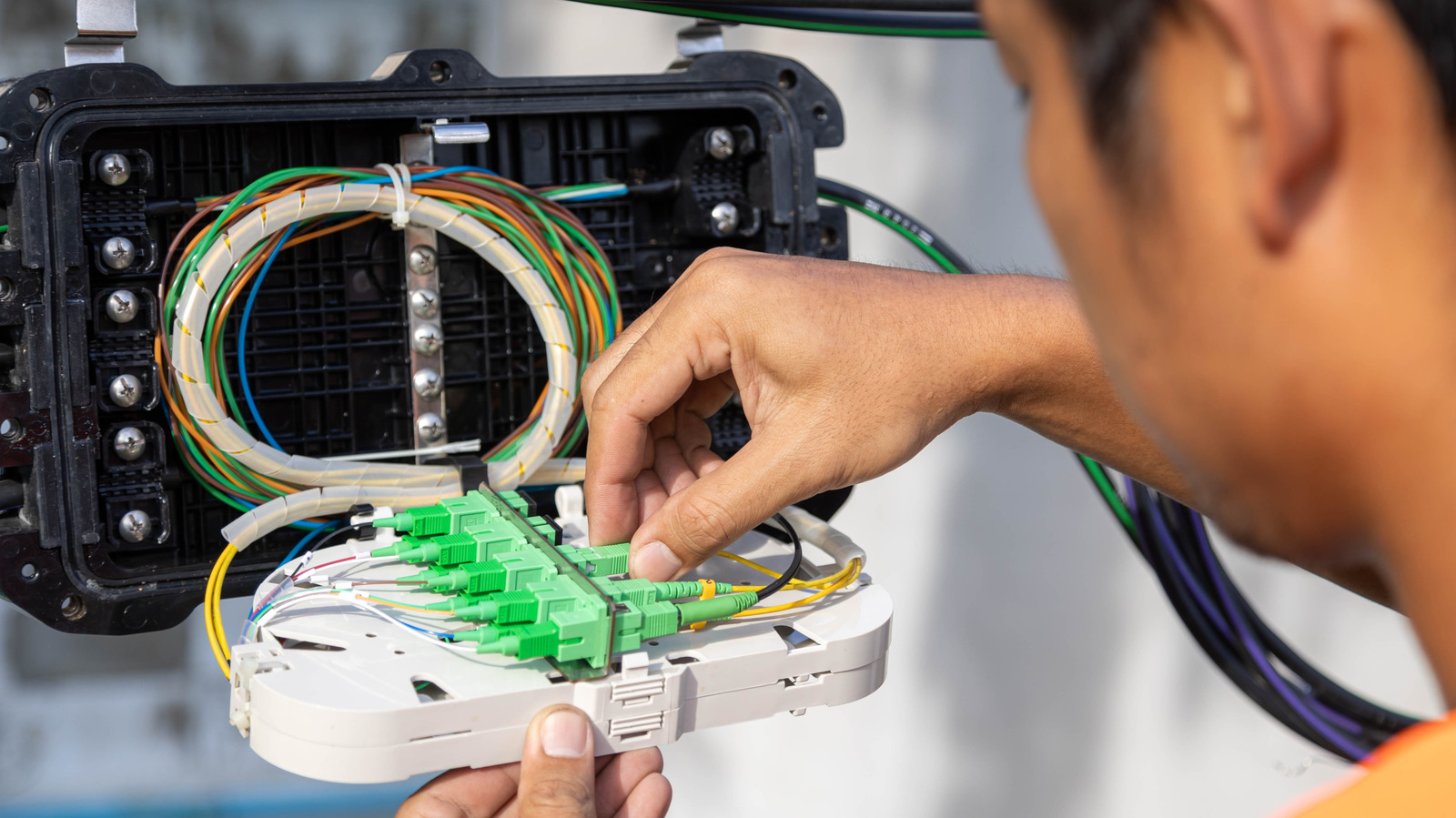
Fiber optic cables are responsible for a significant portion of the world's Internet infrastructure. You may know that the technology is responsible for carrying data signals across oceans, but fiber has also become increasingly common in our cities and even homes. Many internet service providers (ISPs) use fiber-optic as a selling point, and for good reason: It offers a significant internet speed upgrade over legacy DSL connections that rely on copper telephone lines.

The longest fiber optic cable run in the world is the 2Africa cable system. It's an underwater optical fiber cable that has landing points in many African countries as well as Europe and Asia. The previous record was held by SEA-ME-WE 3, a cable system that connected portions of Europe, Northern Africa, the Middle East, Asia, and Australia. That system was decommissioned in 2024.

As with any technology, fiber-optic cables have their limits. So how long can a fiber-optic cable actually be before signal loss makes the data being transmitted completely unrecoverable?

Fiber-optic cables rely on a physics principle called total internal reflection to transmit data through glass (or sometimes plastic) strands in the form of light.


In brief

Fiber optic cables are responsible for a significant portion of the world's Internet infrastructure. The longest fiber optic cable run in the world is the 2Africa cable system. As with any technology, fiber-optic cables have their limits. So how long can a fiber-optic cable actually be before signal loss makes the data being transmitted completely unrecoverable?

This is the opening of the story, shared with credit to Engadget. The rest of the report — with every detail — continues on the publisher’s website.

Continue reading at Engadget ↗

Cookie settings

Choose which cookies we may use. You can change this at any time from Cookie settings in the footer. Details of each cookie are in the Cookie Policy.

Strictly necessary

Needed for sign-in, security, payments and remembering these choices. Always on.

Preferences

Remember settings such as dark mode.

Analytics & performance

Help us count visits, understand which pages, devices and countries our readers use, and measure how well the site performs – anonymous and aggregated.

Advertising & marketing

Lets advertising partners show and personalise adverts, measure impressions, clicks and visits, prevent ad fraud and pay us – this is how the free site is funded.

🔔 News notifications

Get headlines from NewsHub on this device — even when the site is closed.

You can switch this off at any time. Works on Android, Windows, Mac and Linux browsers; on iPhone/iPad add the site to your Home Screen first.