

Madeira's waters sit at an ecological crossroads in the North-East Atlantic. Migrating whales, seabirds and turtles pass through, and the archipelago is home to cold-water corals and one of the world's rarest seals. Yet large stretches of the sea around the Portuguese islands have never been properly studied.The Madeira Ocean Expedition, which ran throughout October, set out to fill those gaps. Its findings will feed into decisions on how to manage and expand Madeira's marine protected areas, as the region works towards protecting 30 per cent of its sea by 2030, with at least 10 per cent fully protected."We cannot protect without understanding how the biodiversity functions and works," says João Canning-Clode, director of the MARE-Madeira research centre.A health check at sea: 500 dives in Madeira's oceanMadeira's regional government organised the expedition with the Oceano Azul Foundation, National Geographic Pristine Seas, the regional research agency ARDITI and Oceanário de Lisboa. Teams worked from the historic tall ship Santa Maria Manuela and a fleet of smaller boats around Madeira, Porto Santo and the Desertas Islands."In an expedition like this, we want to take a snapshot about the health of the marine environment," says Emanuel Gonçalves, chief scientist at the Oceano Azul Foundation.Scientists completed nearly 500 dives, lowered more than 300 baited cameras, filtered seawater for traces of DNA, mapped the shoreline…
Madeira's ocean survey finds evidence protection works – and some worrying signs
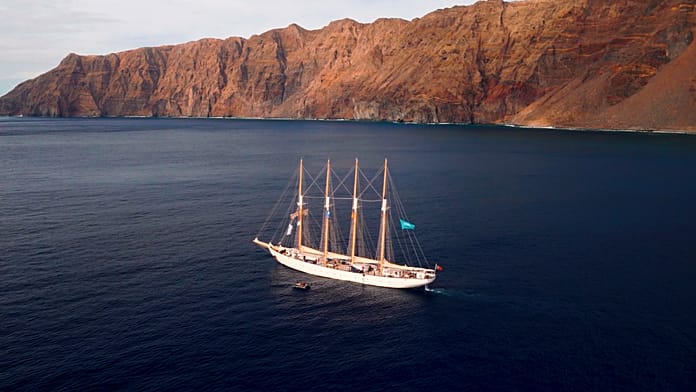
A survey by more than 200 specialists found that Madeira's marine reserves are working – but some species are still in peril.
In brief
Madeira's waters sit at an ecological crossroads in the North-East Atlantic. Migrating whales, seabirds and turtles pass through, and the archipelago is home to cold-water corals and one of the world's rarest seals. Yet large stretches of the sea around the Portuguese islands have never been properly studied.The Madeira Ocean Expedition, which ran throughout October, set out to fill those gaps.
This is the opening of the story, shared with credit to Euronews. The rest of the report — with every detail — continues on the publisher’s website.
Continue reading at Euronews ↗