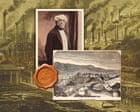
New research finds that the British-led Cobre Mining Company helped industrialise Manchester via copper deposits and enslaved African people
Slave-trade wealth was embedded in Britain’s financial system, research finds
British businesses run by long-serving directors of the Bank of England profited from “brutal” enslavement in Cuba for decades after slavery’s abolition in the British empire, according to research.
Men and boys were enslaved in prison conditions at the El Cobre copper ore mine near Santiago de Cuba, which supplied British firms during the Industrial Revolution, the historian Chris Evans has found.
In the 1840s, Cuba was the most important foreign source of copper ore for the UK. Copper was critical to Manchester’s cotton industry, railways and telegraphy.
Previous research has revealed that dozens of financiers involved in the founding in 1694 of the Bank of England invested in enslavement.
Now, Evans’s research reveals that ties between key figures in the UK’s financial system and enslavement of African peoples continued even after the government outlawed it.
Britain abolished its trade in enslaved people in 1807 and passed legislation abolishing slavery in most of its empire in 1833.
However, as Britain’s Slavery Abolition Act was coming into force, “City of London figures” were developing mining of El Cobre’s copper ore deposits, an operation which depended on enslavement in Spanish-controlled Cuba.