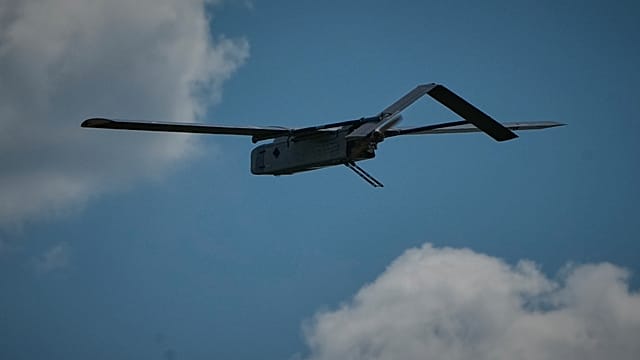
United Nations talks on regulating AI-powered killer robots and drones ended on Saturday with a weakened pledge to hold further discussions on developing new rules within two years.
Around 100 countries had backed the need to regulate weapons with little or no human oversight, but big arms-producing nations like the United States, Russia, and Israel opposed this.
The UN high representative for disarmament affairs, Izumi Nakamitsu, hailed the outcome of the week-long conference as a “significant achievement”.
But, while agreeing to elaborate a possible accord, nations did not commit to the binding rules sought by UN Secretary-General António Guterres, many countries, and activists.
Nakamitsu acknowledged the “glass half full or half empty” scenario.
“You have heard so many times the Secretary-General's positions. He has been very clear that he wanted to have [a] legally binding instrument, negotiated and even concluded before the end of this year,” she said.
Nakamitsu said the Convention on Certain Conventional Weapons as a humanitarian disarmament framework was particularly significant in the current context of increasing conflict and wars.
“From that perspective, the fact that states were not able to do any implementation review was very unfortunate,” she said.
This week’s conference took place amid growing alarm over the use of lethal autonomous weapons systems in conflicts, including in Sudan, Ukraine, and the Middle East.