📰 Newspapers

Dr Hesbon Owilla | Beyond slogans, Usawa ni Sawa must change lives

Dr Hesbon Owilla | Beyond slogans, Usawa ni Sawa must change lives

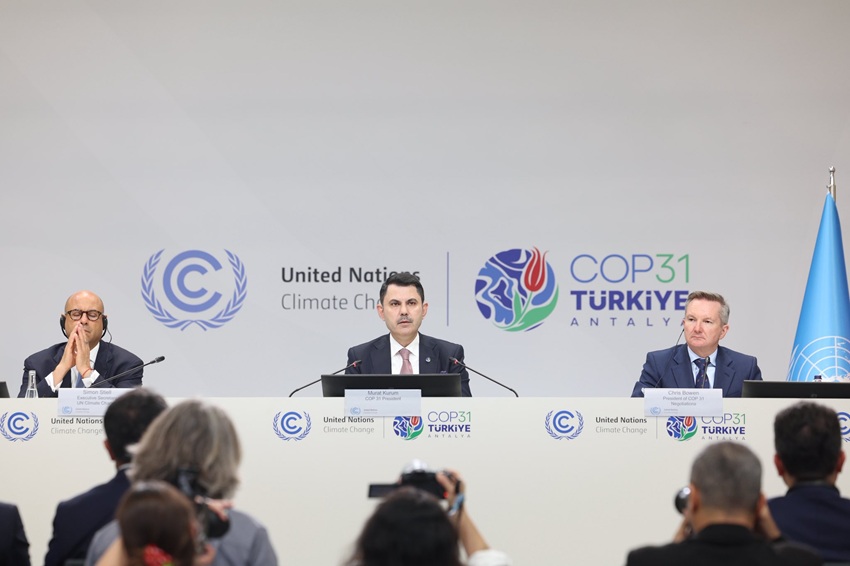
Our politicians appear to have perfected the art of “gather all, scatter none”. They are appealing to voters through interventions addressing immediate needs, while also using infrastructure to reach those who value capital investment and longer-term development. Both approaches shape how communities experience fairness, inclusion and responsive leadership.

I recently traversed the country and spent time listening to people. While politicians campaign and coin catchy slogans, what ultimately matters is how they allocate and distribute resources. At its core, politics is about who gets what, where, when, and how. When leadership directs resources towards communities that have historically felt marginalised, expands opportunities and gives them a more equitable stake in national development, it shapes how those communities view government and its record.

These conversations reinforced my interest in whether, beyond slogans and political contestation, Kenyans are experiencing fairness, inclusion and opportunity, and how those experiences inform their assessment of leadership and the person they will vote for in 2027.

In Western Kenya, many people I engaged appeared to appreciate both direct economic support and infrastructure investments. Some spoke positively of what they described as politicians responding directly to everyday economic struggles through cash transfers, support for small businesses and other assistance that helps households meet immediate needs. For others, change was visible in major infrastructure, particularly roads communities say they have demanded for generations.

These responses point to an important dimension of Usawa ni Sawa. For communities that have long felt overlooked, equity is experienced not only through development opportunities and public infrastructure, but also through redistribution that can improve livelihoods now.
In brief

I recently traversed the country and spent time listening to people. While politicians campaign and coin catchy slogans, what ultimately matters is how they allocate and distribute resources. In Western Kenya, many people I engaged appeared to appreciate both direct economic support and infrastructure investments. For communities that have long felt overlooked, equity is experienced not only through development opportunities and public infrastructure, but also through redistribution that can improve livelihoods now.

This is the opening of the story, shared with credit to Capital FM Kenya. The rest of the report — with every detail — continues on the publisher’s website.

Continue reading at Capital FM Kenya ↗

Cookie settings

Choose which cookies we may use. You can change this at any time from Cookie settings in the footer. Details of each cookie are in the Cookie Policy.

Strictly necessary

Needed for sign-in, security, payments and remembering these choices. Always on.

Preferences

Remember settings such as dark mode.

Analytics & performance

Help us count visits, understand which pages, devices and countries our readers use, and measure how well the site performs – anonymous and aggregated.

Advertising & marketing

Lets advertising partners show and personalise adverts, measure impressions, clicks and visits, prevent ad fraud and pay us – this is how the free site is funded.

🔔 News notifications

Get headlines from NewsHub on this device — even when the site is closed.

You can switch this off at any time. Works on Android, Windows, Mac and Linux browsers; on iPhone/iPad add the site to your Home Screen first.