Can a machine independently decide who lives and who dies on the battlefield? That question was at the center of a week of United Nations negotiations in Geneva that concluded on Saturday without an agreement on legally binding restrictions for autonomous weapons, commonly known as "killer robots."Nearly 100 countries supported establishing binding international rules, but major military powers, including the United States, Russia, and Israel, opposed the proposed approach.The compromise reached two days ago allows negotiations to continue until 2028, without requiring countries to adopt a legally binding treaty at the end of the process.What are killer robots, and how do autonomous weapons work?Despite a name that might suggest humanoid machines carrying firearms, killer robots do not necessarily resemble the robots depicted in science fiction. The term generally refers to lethal autonomous weapons systems capable of identifying, selecting, and engaging targets without requiring separate human authorization for each attack.Such systems can be integrated into drones, unmanned ground vehicles, air defense platforms, and naval vessels. They rely on sensors, cameras, and algorithms to detect objects, process information, and determine how to respond, while some also incorporate artificial intelligence.The key distinction lies in the degree of human control over the use of force.
UN 'killer robots' talks end without binding agreement as military powers resist restrictions

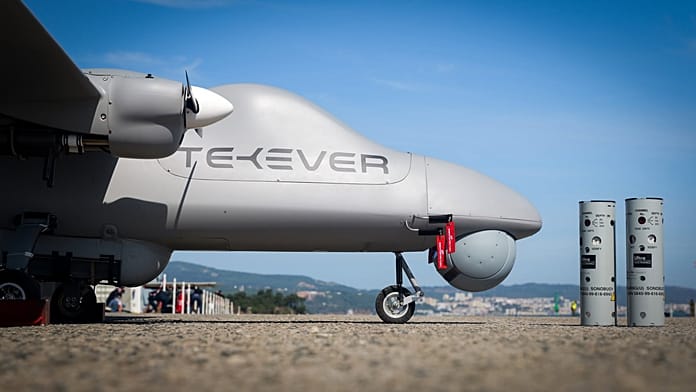
The term generally refers to lethal autonomous weapons systems capable of identifying, selecting, and engaging targets without requiring separate human authorization for each attack.
In brief
Can a machine independently decide who lives and who dies on the battlefield? The term generally refers to lethal autonomous weapons systems capable of identifying, selecting, and engaging targets without requiring separate human authorization for each attack.Such systems can be integrated into drones, unmanned ground vehicles, air defense platforms, and naval vessels. They rely on sensors, cameras, and algorithms to detect objects, process information, and determine how to respond, while some also incorporate artificial intelligence.The key distinction lies in the degree of human control over the use of force.
This is the opening of the story, shared with credit to The Jerusalem Post. The rest of the report — with every detail — continues on the publisher’s website.
Continue reading at The Jerusalem Post ↗