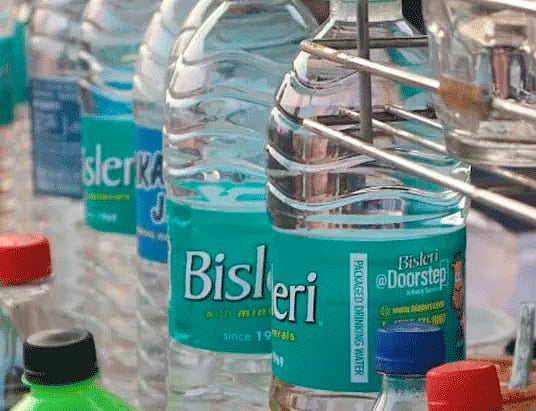
Dubai: Is bottled water in India really safe to drink? The question has taken on new urgency after food safety authorities flagged potentially harmful chemicals in a Bisleri water sample and expanded testing to other packaged drinking water brands.
The Food Safety and Standards Authority of India (FSSAI) has sanctioned prosecution against Bisleri International after laboratory tests declared a sample unsafe.
The findings involved bromate, a chemical linked to cancer in animal studies, and polycyclic aromatic hydrocarbons (PAHs), a group of pollutants that includes known carcinogens.
Bisleri maintains its water is safe and disputes aspects of the findings.
For UAE-based Indians and other travellers who routinely buy bottled water during visits to India, here is what the investigation means.
What exactly was found in Bisleri water?
According to Bisleri, FSSAI collected six samples from its Goa manufacturing facility on September 30, 2025.
Five passed initial tests, but one contained 12 micrograms of bromate per litre, exceeding India’s permissible limit of 10 micrograms by 20 per cent.
Following Bisleri’s appeal, a referral laboratory found bromate within the permitted limit but detected PAHs.
FSSAI subsequently declared the sample unsafe and sanctioned prosecution under India’s food safety law.
What is bromate and how harmful is it?
Bromate can form when ozone, used to disinfect drinking water, reacts with naturally occurring bromide.