In recent months, and especially throughout 2026, Europe has experienced an unprecedented escalation of hybrid attacks that have moved beyond the purely digital sphere to disrupt everyday services and critical infrastructure.According to investigative journalists and European cybersecurity agencies such as the European Union Agency for Cybersecurity (ENISA), in the last six months more than 50 physical incidents linked to foreign intelligence have been documented, in addition to thousands of cyberattacks.Looking ahead to Spain's general elections on 29 November, which hybrid threats are causing most concern in these elections?Carlos Galán Cordero, a professor at Nebrija University and an expert in hybrid threats, warns about disinformation."Spain is an attractive target for foreign powers. We know that Russia uses disinformation as its main tool, but there are other actors that resort to different tactics to influence elections or stir up the streets, provoking some kind of social unrest," he said.The battle to influence the Spanish voteDealing with hybrid threats requires a response on several fronts. The most urgent task is to shield critical infrastructure and modernise IT systems in key sectors, from healthcare and food supply to electoral networks, backed up by greater intelligence sharing and rapid reaction teams at European level."There are many actors with a strong interest in seeing one candidate or another win," Galán Cordero says.
Spain's 29 November election: Shielding the vote from hybrid threats and disinformation
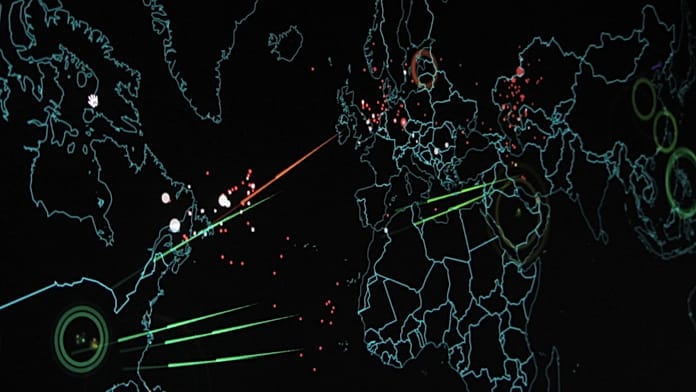
Disinformation, cyberattacks and the geopolitical use of migration put Spain in the sights of foreign powers. Experts urge shielding key sectors and speeding a joint European response to election interference.
In brief
In recent months, and especially throughout 2026, Europe has experienced an unprecedented escalation of hybrid attacks that have moved beyond the purely digital sphere to disrupt everyday services and critical infrastructure.According to investigative journalists and European cybersecurity agencies such as the European Union Agency for Cybersecurity (ENISA), in the last six months more than 50 physical incidents linked to foreign intelligence have been documented, in addition to thousands of cyberattacks.Looking ahead to Spain's general elections on 29 November, which hybrid threats are causing most concern in these elections?Carlos Galán Cordero, a professor at Nebrija University and an…
This is the opening of the story, shared with credit to Euronews. The rest of the report — with every detail — continues on the publisher’s website.
Continue reading at Euronews ↗