📰 Newspapers

Experts raise alarm after nest of highly invasive fire ants found in Sydney

Experts raise alarm after nest of highly invasive fire ants found in Sydney

World's most destructive invasive species poses serious threats to humans, pets, agriculture, wildlife, and biodiversity

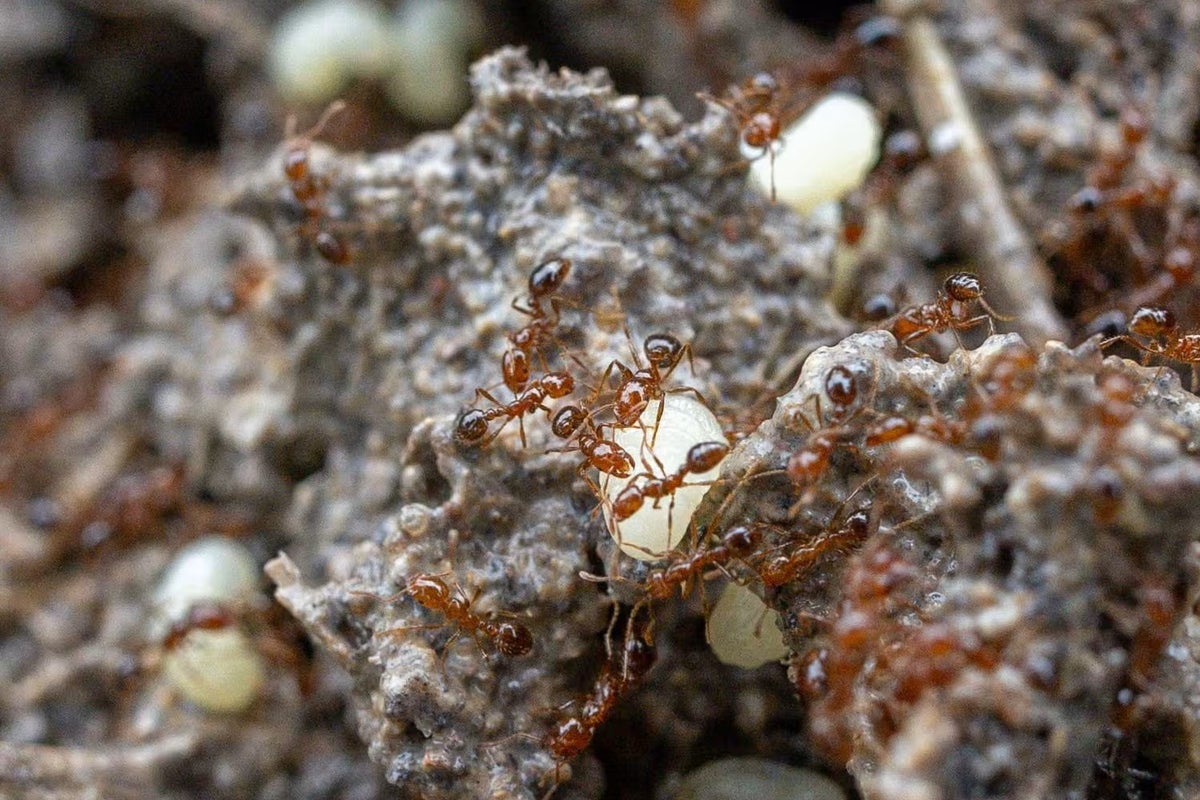
Australian authorities destroyed a nest of red fire ants in Sydney, sparking concerns about the spread of a highly invasive species that packs a painful bite.

The red fire ants are the world's most destructive invasive species, posing serious threats to humans, pets, agriculture, wildlife, and biodiversity.

Native to South America, the ants have been introduced via shipping to several countries across Asia, Australasia, Europe, North America, and the Caribbean.

In Australia, they were first discovered in Brisbane in 2001. They have since spread across the greater Brisbane area and southeast Queensland. Isolated nests have also been found in New South Wales.

A single colony counts 200,000 or more worker ants, which are highly aggressive and swarm when disturbed.

The ants measure 2.4mm to 6mm long, appear reddish-brown with a darker brown to black abdomen.

They grip human or animal skin with their jaws and sting several times.

Multiple workers sting the same target simultaneously, delivering venom that can cause severe allergic reactions. Experts say children with insect venom allergies are at particular risk.

The injection of the venom causes an immediate burning sensation followed by a characteristic white pustule.

The fire ants can also damage crops and threaten livestock.

The ants are adept at surviving floods, forming living rafts of linked ants that can float for days or even…

In brief

Australian authorities destroyed a nest of red fire ants in Sydney, sparking concerns about the spread of a highly invasive species that packs a painful bite. The red fire ants are the world's most destructive invasive species, posing serious threats to humans, pets, agriculture, wildlife, and biodiversity. The fire ants can also damage crops and threaten livestock.

This is the opening of the story, shared with credit to The Independent — World. The rest of the report — with every detail — continues on the publisher’s website.

Continue reading at The Independent — World ↗

Cookie settings

Choose which cookies we may use. You can change this at any time from Cookie settings in the footer. Details of each cookie are in the Cookie Policy.

Strictly necessary

Needed for sign-in, security, payments and remembering these choices. Always on.

Preferences

Remember settings such as dark mode.

Analytics & performance

Help us count visits, understand which pages, devices and countries our readers use, and measure how well the site performs – anonymous and aggregated.

Advertising & marketing

Lets advertising partners show and personalise adverts, measure impressions, clicks and visits, prevent ad fraud and pay us – this is how the free site is funded.

🔔 News notifications

Get headlines from NewsHub on this device — even when the site is closed.

You can switch this off at any time. Works on Android, Windows, Mac and Linux browsers; on iPhone/iPad add the site to your Home Screen first.