

The COP31 climate negotiations in Antalya have ended without a final deal. The EU and other countries rejected a cover decision because it did not cover how to quite fossil fuels or fund climate action in developing countries.As the COP process depends almost 200 countries reaching a consensus, it is far from easy, especially with geopolitical tensions as they are.Since the first United Nations' Conference of the Parties (COP) in 1995, many summits have seen fierce arguments when countries failed to find common ground.Here we take a look back at previous COP summits where tensions ran high.2000: COP6, The HagueAt COP6 in 2000, held in The Hague, the negotiations were suspended. Talks resumed months later in Bonn, where the secretariat of the United Nations Framework Convention on Climate Change is based.The summit took place at a time when the United States was locked in an extremely tight presidential election. Negotiators did not know whether the next leader of the world's largest economy would be George W. Bush, who was sceptical of climate policies, or Al Gore, who would later share the Nobel Peace Prize for his climate advocacy.Ironically, Bush's election victory, and his subsequent rejection of the 1997 Kyoto Protocol, encouraged other countries at the resumed Bonn talks to push ahead with plans to implement the protocol.However, France's former chief…
From COP31 Antalya to Copenhagen: UN climate summits where no agreement was reached
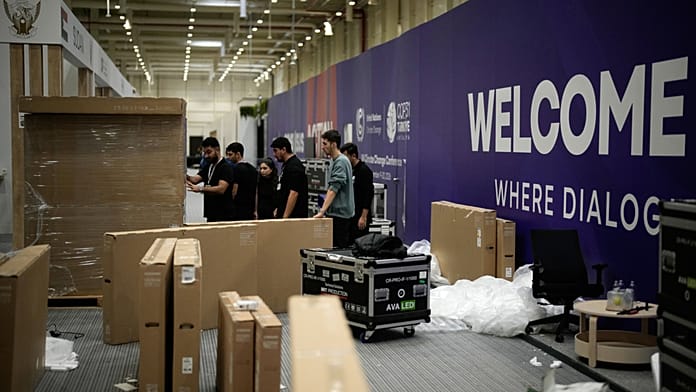
Since 1995, UN climate and environment summits have often seen deadlock, delays and frustration.
In brief
The COP31 climate negotiations in Antalya have ended without a final deal. Talks resumed months later in Bonn, where the secretariat of the United Nations Framework Convention on Climate Change is based.The summit took place at a time when the United States was locked in an extremely tight presidential election. Negotiators did not know whether the next leader of the world's largest economy would be George W.
This is the opening of the story, shared with credit to Euronews. The rest of the report — with every detail — continues on the publisher’s website.
Continue reading at Euronews ↗