

Researchers in the United Kingdom will test whether artificial intelligence tools can help improve breast cancer detection, in the world’s largest study of its kind.Early breast cancer detection can save lives, but diagnosis can be a time-consuming process. Currently in the UK, at least two radiologists review every mammogram, or breast x-ray, but very few — less than 1% — of these scans actually show signs of cancer.In the trial, known as EDITH, radiologists will use an AI-assisted tool to help detect cancers that are too small to see or feel. The goal is to give specialists more time to diagnose and care for women with cancer, while reducing the time they spend reviewing mammograms with no signs of disease.“If successful, this technology could help women get a breast cancer diagnosis and start treatment much more quickly, giving them the best possible chance of recovery,” said Yvette Cooper, the UK’s health and social care secretary. The UK government is backing the trial with £10 million (about €12 million).The study will enroll about 660,000 women aged 50 to 71 who are due for a routine breast cancer screening, which is offered every three years in the UK. Women can opt out if they do not want to take part in the trial.Women will be split into three groups: the first group…
Can AI help detect breast cancer faster? Major new trial will find out
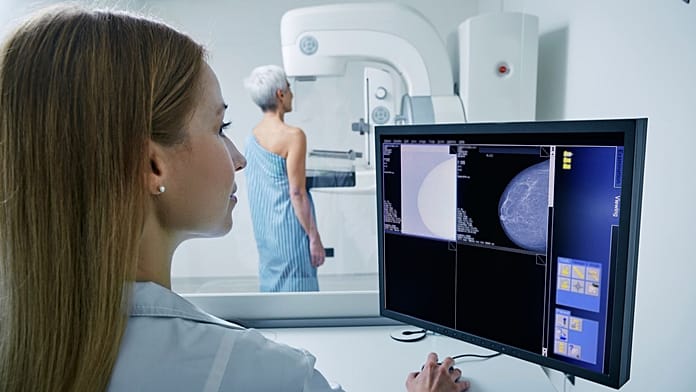
Researchers will test whether an AI tool helps radiologists detect breast cancer.
In brief
Researchers in the United Kingdom will test whether artificial intelligence tools can help improve breast cancer detection, in the world’s largest study of its kind.Early breast cancer detection can save lives, but diagnosis can be a time-consuming process. The UK government is backing the trial with £10 million (about €12 million).The study will enroll about 660,000 women aged 50 to 71 who are due for a routine breast cancer screening, which is offered every three years in the UK.
This is the opening of the story, shared with credit to Euronews. The rest of the report — with every detail — continues on the publisher’s website.
Continue reading at Euronews ↗