Germany through German Agency for International Cooperation (GIZ) and the German Epidemic Preparedness Team (SEEG) is supporting Kenya to strengthen decentralised laboratory diagnostics in high-risk areas in the country as part of efforts to enhance disease surveillance and outbreak preparedness.
The initiative being implemented in partnership with Kenya National Public Health Institute (KNPHI) seeks to improve early detection of infectious diseases and facilitate timely responses to potential outbreaks.
In a statement, the Germany government noted that although the National Health authorities managed to contain the recent outbreak of Ebola in Kenya efficiently, there is still a risk of new cases transmitted to Kenya.
It stressed that early and efficient detection of potential cases is central to initiate a timely response and avoid further transmission.
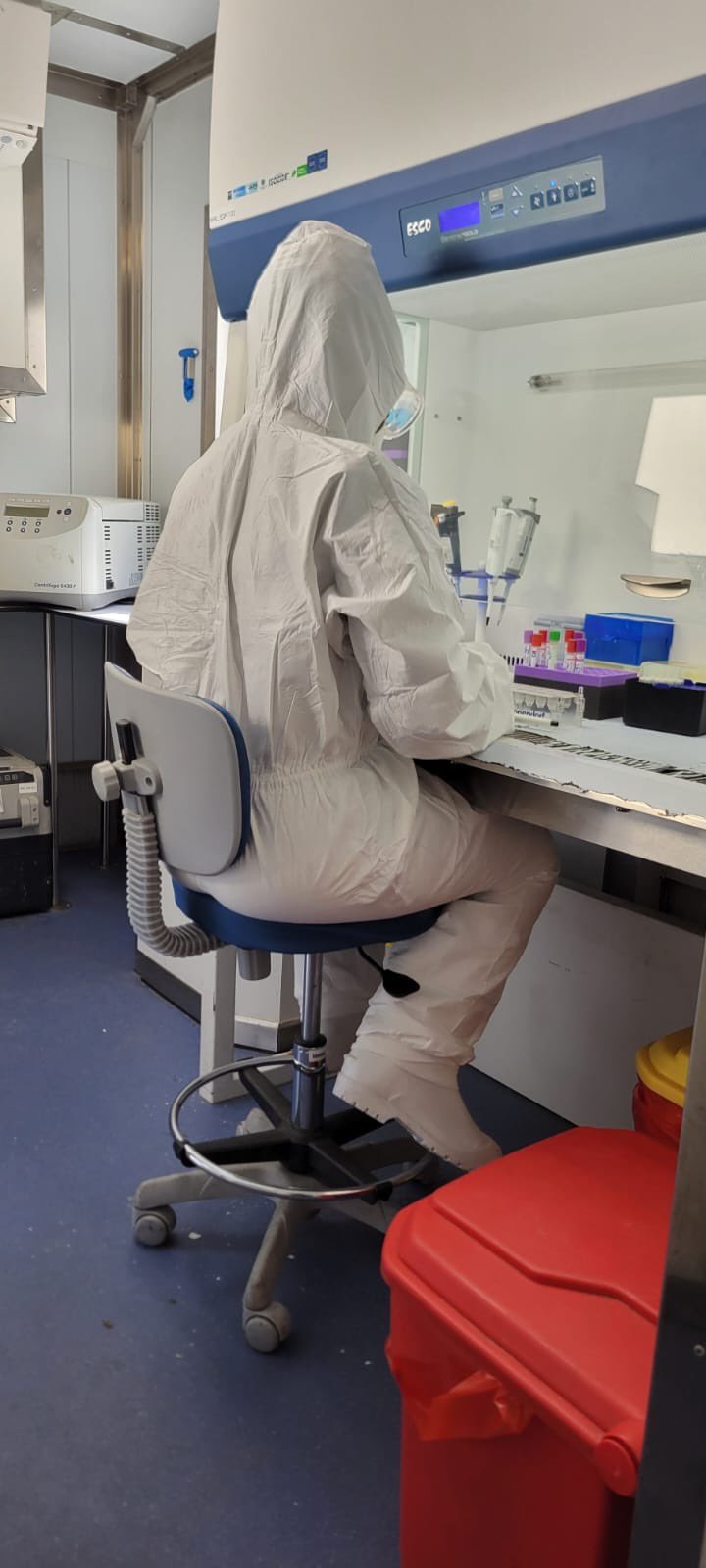
Ebola diagnostics require specialized laboratory equipment, well trained personal and strict biosafety procedures.
In countries with large geographical distances, ensuring access to reliable diagnostics beyond central laboratories is an important part of outbreak preparedness.
GIZ an SEEG will support with equipment, diagnostic reagents and technical trainings with a focus on supporting provincial laboratories, which will not only allow detection of Ebola, but also Dengue, Mpox or other diseases.
The cooperation aims to strengthen sustainable laboratory capacities within Kenya’s public health system by combining equipment provision with technical training.