It’s been 50 years since the events of Blade Runner 2049, and the status quo in dystopian Los Angeles has flipped upside down. In Blade Runner 2099, Replicants are now the dominant class, and Blade Runners—an all-Replicant squad in an all-Replicant LAPD—are tasked with hunting down humans who step out of line.
Like Ridley Scott’s 1982 Blade Runner and Denis Villeneuve’s 2017 sequel, the franchise’s first live-action series grapples with the tensions between these two populations while pulling on the thread of a consequential mystery.
Blade Runner 2099 faithfully recreates the grimy, neon-tinged production design of the groundbreaking first film, including its fetish for tech that hasn’t felt futuristic since the ‘80s. (The flying cars are still cool, though.) It also advances the sequel’s depiction of Earth’s environmental deterioration. There’s erratic weather that shifts between a blistering sun and pelting rain. Crumbling infrastructure. Seedy diversions. Constant surveillance that leads to oppressive paranoia.
This bleakness is enhanced by a score that blends melancholy ambient electronics with moody saxophones, exactly fitting Blade Runner’s signature brand of sci-fi noir.
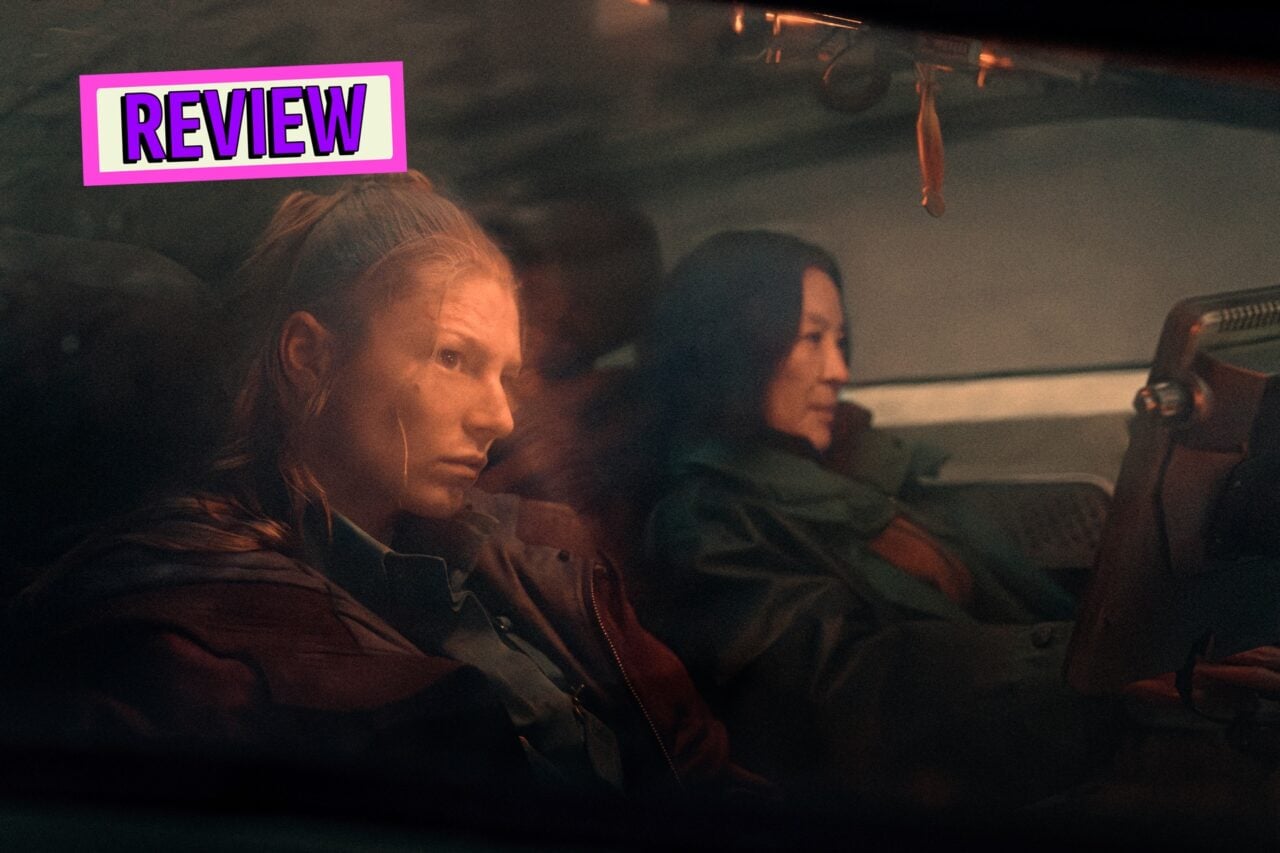
Created by Silka Luisa and starring Michelle Yeoh and Hunter Schafer, 2099 feels like an authentic continuation of what’s come before, though you don’t need to have seen either movie or have read the 1968 Philip K. Dick novel to follow its story.