For years, Nepal's relationship with India was shaped by familiar faces, as leaders of the Himalayan country's erstwhile three major parties took turns in the prime minister's office through revolving coalition governments.
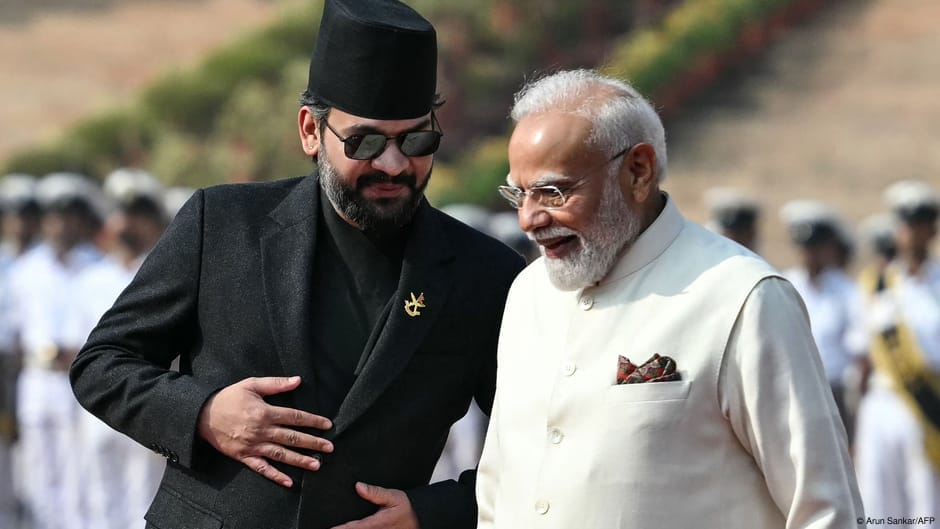
This week's state visit to India by Balendra Shah, a 36-year-old rapper-turned-politician, marked a clear break from that pattern.
As a young, first-time prime minister with a strong electoral mandate , Shah represents a new political force in Kathmandu.
But long-standing economic strain, along with August's devastating flash floods and the Nepalese public's high hopes for more jobs, investment and better governance at home, have made Shah's first bilateral visit abroad more than a mere diplomatic box-ticking exercise.
To safeguard Nepal's flood recovery and development, Shah needs to get off on the right foot with his country's southern neighbor and largest trading partner and its long-standing prime minister, Narendra Modi.
While Nepal and India share an open border, as well as deep cultural and historical ties, their relationship has also been marked by territorial disputes and a desire in Nepal to be seen as an equal by its much larger and more powerful neighbor.
Constantino Xavier, a senior fellow at the Center for Social and Economic Progress in New Delhi, however, cautioned against expecting too much from a single visit.