

Want to bookmark your favourite articles and stories to read or reference later? Start your Independent Membership today.
Early in the U.S.-Iran war, as diesel topped $4 a gallon, Kevin Otto thought he could manage by asking his Minnesota trucking firm's 16 drivers to slow down.
He estimated driving 65 miles per hour would allow Otto Transfer's flatbeds to gain two-tenths of a mile per gallon, saving $7,000 per truck.
Instead, prices kept climbing. After diesel exceeded $6 a gallon in September, Otto added a fuel surcharge to every job for the first time. Tied to the weekly Midwest diesel average, the fee began at 5% and eventually rose to 12.5%.
"To me, it’s drastic, but it’s the only way to survive," said Otto, who took over the 80-year-old business from his parents in 2002.
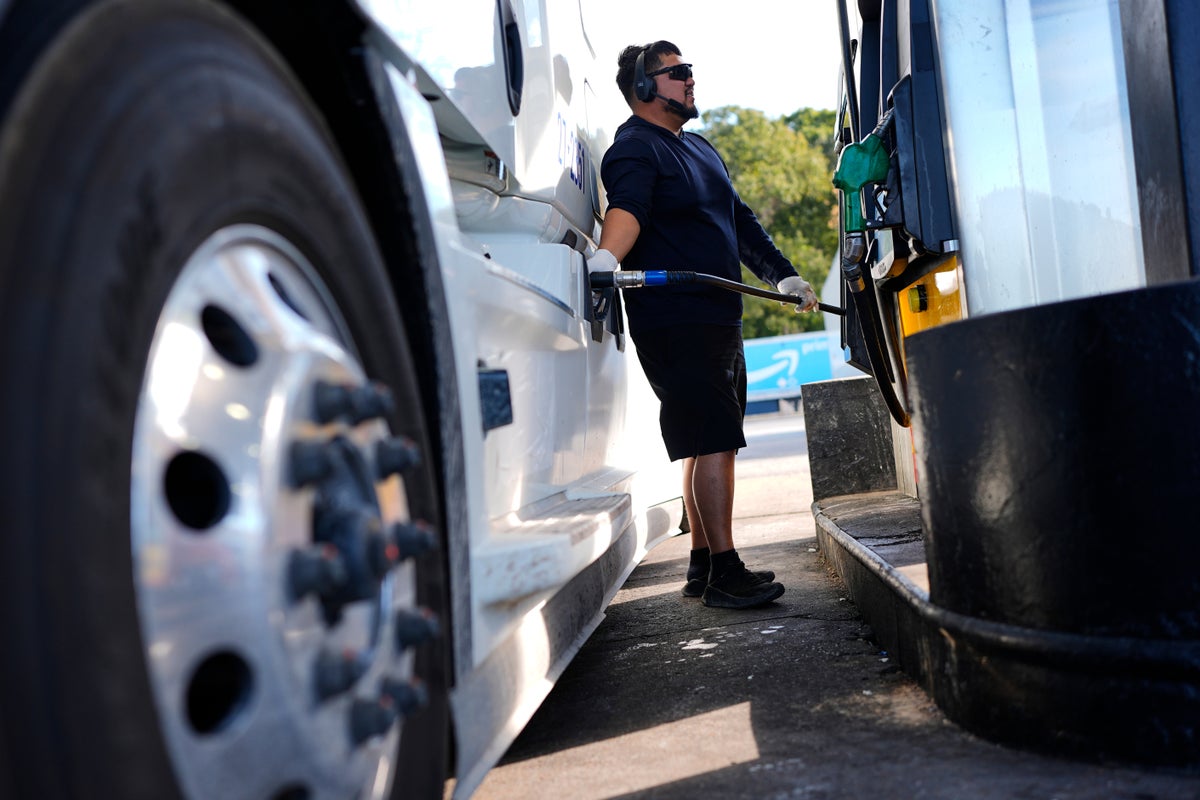
High diesel prices this year have brought new pressure on small independent operators, which comprise most of the nation's motor carriers.
War-driven price spikes increased one of their highest and least avoidable daily costs just as the fragmented U.S. trucking industry showed subtle signs of recovery from a yearslong slump marked by weak demand and low rates.
Smaller trucking companies typically have fewer financial buffers against surging fuel prices than larger competitors.