📰 Newspapers

Robert Macfarlane says trust in Cop to deliver change on climate is ‘misplaced’

Robert Macfarlane says trust in Cop to deliver change on climate is ‘misplaced’

Nature writer reveals in his first Reith lecture that he finds ‘much more hope’ in emerging alliances

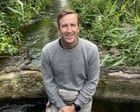
We are “misplacing our trust” in the Cop climate summits and their “capacity to deliver consequential change”, according to Robert Macfarlane in this year’s Reith lectures.

In comments recorded before this week’s failure of the 31st UN climate summit to deliver an agreement on action to combat global heating, the bestselling author said he saw “much more hope” in emerging alliances such as the Santa Marta process, which is a smaller group of countries committed to phasing out fossil fuels as soon as possible.

“I would urge us to support these forms of collective reimagining away from ossified institutions that have failed to deliver,” said Macfarlane during the debate that followed his first Reith lecture, which will be broadcast on BBC Radio 4 on 24 November. Diplomats, scientists and activists including Al Gore have called for reform of the Cop’s requirement for a consensus after the failure of this year’s talks.

Inhis lecture, Macfarlane, a professor of literature and environmental humanities at the University of Cambridge whose books, including Underland and Is a River Alive?, explore global environmental crises, argues we must challenge the pervasive but wrong “human superiority complex”

In brief

Nature writer reveals in his first Reith lecture that he finds ‘much more hope’ in emerging alliances We are “misplacing our trust” in the Cop climate summits and their “capacity to deliver consequential change”, according to Robert Macfarlane in this year’s Reith lectures. Inhis lecture, Macfarlane, a professor of literature and environmental humanities at the University of Cambridge whose books, including Underland and Is a River Alive?, explore global environmental crises, argues we must challenge the pervasive but wrong “human superiority complex”

This is the opening of the story, shared with credit to The Guardian — World. The rest of the report — with every detail — continues on the publisher’s website.

Continue reading at The Guardian — World ↗

Cookie settings

Choose which cookies we may use. You can change this at any time from Cookie settings in the footer. Details of each cookie are in the Cookie Policy.

Strictly necessary

Needed for sign-in, security, payments and remembering these choices. Always on.

Preferences

Remember settings such as dark mode.

Analytics & performance

Help us count visits, understand which pages, devices and countries our readers use, and measure how well the site performs – anonymous and aggregated.

Advertising & marketing

Lets advertising partners show and personalise adverts, measure impressions, clicks and visits, prevent ad fraud and pay us – this is how the free site is funded.

🔔 News notifications

Get headlines from NewsHub on this device — even when the site is closed.

You can switch this off at any time. Works on Android, Windows, Mac and Linux browsers; on iPhone/iPad add the site to your Home Screen first.