📰 Newspapers

The Gig Economy: Planning for Retirement When Self-Employed

The Gig Economy: Planning for Retirement When Self-Employed

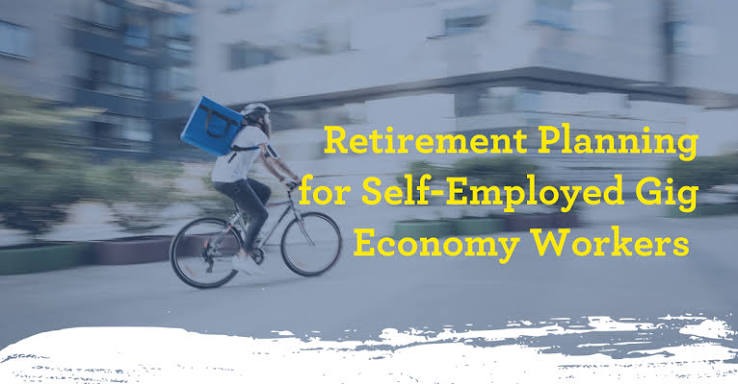
The nature of employment is changing, with an increasing number of people moving away from traditional full-time jobs towards freelance work, consultancy, online businesses and other forms of self-employment. From ride-hailing drivers and online content creators to independent consultants and digital entrepreneurs, the gig economy is creating new income opportunities and greater flexibility. However, while this shift offers workers more control over their careers, it also raises an important question: who takes care of their retirement savings when there is no employer to contribute to a pension scheme?

Unlike employees in formal employment, who may benefit from structured retirement arrangements through employer-sponsored pension schemes, self-employed individuals must take greater responsibility for securing their financial future. Without regular employer contributions, automatic payroll deductions or structured retirement plans, saving for retirement can easily become an afterthought, particularly when income is irregular and immediate financial obligations take priority.

One of the biggest challenges facing gig economy workers is income uncertainty. Earnings may fluctuate depending on the availability of work, customer demand and prevailing economic conditions. This makes it difficult to maintain consistent monthly pension contributions. Additionally, many self-employed individuals prioritize reinvesting in their businesses or meeting daily expenses, leaving little room for long-term savings. Over time, this can create significant retirement gaps, particularly when individuals spend decades working without accumulating sufficient retirement benefits.

In brief

The nature of employment is changing, with an increasing number of people moving away from traditional full-time jobs towards freelance work, consultancy, online businesses and other forms of self-employment. Without regular employer contributions, automatic payroll deductions or structured retirement plans, saving for retirement can easily become an afterthought, particularly when income is irregular and immediate financial obligations take priority. Over time, this can create significant retirement gaps, particularly when individuals spend decades working without accumulating sufficient retirement benefits.

This is the opening of the story, shared with credit to Sharp Daily. The rest of the report — with every detail — continues on the publisher’s website.

Continue reading at Sharp Daily ↗

Cookie settings

Choose which cookies we may use. You can change this at any time from Cookie settings in the footer. Details of each cookie are in the Cookie Policy.

Strictly necessary

Needed for sign-in, security, payments and remembering these choices. Always on.

Preferences

Remember settings such as dark mode.

Analytics & performance

Help us count visits, understand which pages, devices and countries our readers use, and measure how well the site performs – anonymous and aggregated.

Advertising & marketing

Lets advertising partners show and personalise adverts, measure impressions, clicks and visits, prevent ad fraud and pay us – this is how the free site is funded.

🔔 News notifications

Get headlines from NewsHub on this device — even when the site is closed.

You can switch this off at any time. Works on Android, Windows, Mac and Linux browsers; on iPhone/iPad add the site to your Home Screen first.