

Want to bookmark your favourite articles and stories to read or reference later? Start your Independent Membership today.
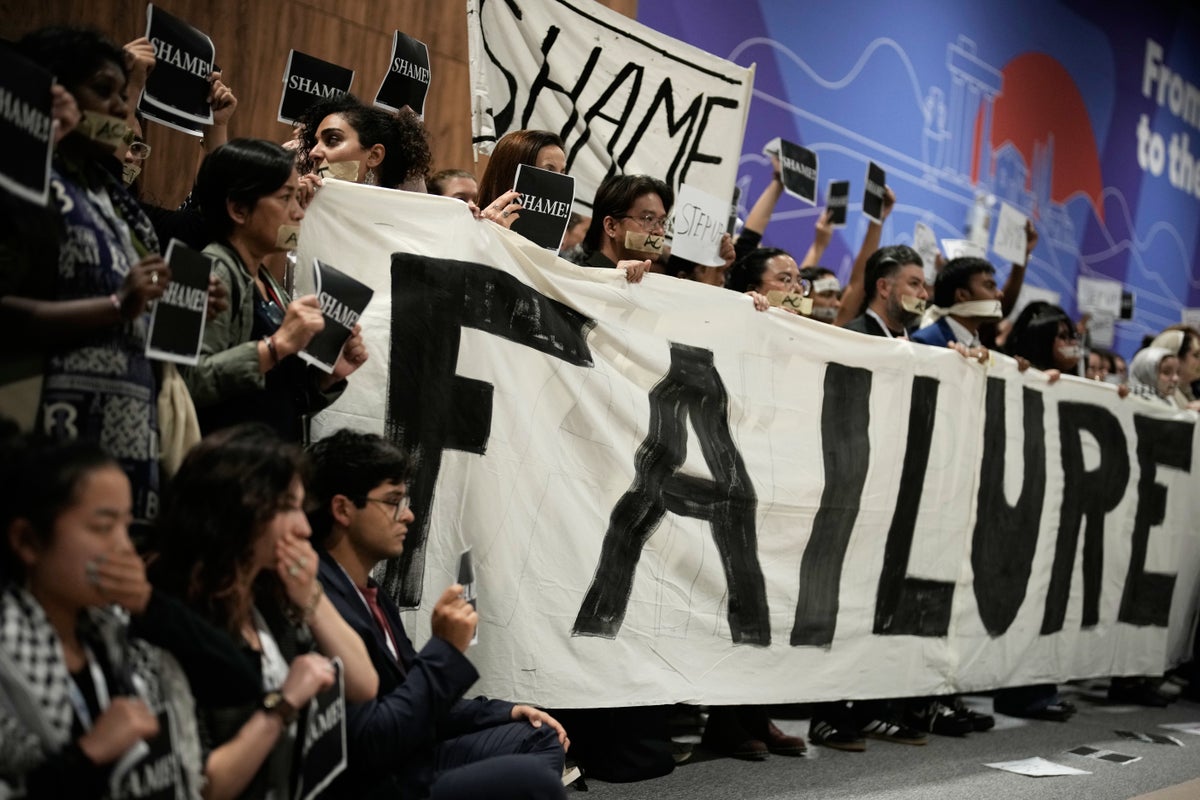
This year's U.N. climate talks in Turkey failed to deliver consensus on how the world should confront climate change, even as it triggers more natural disasters that hit hardest in vulnerable countries that didn't cause the problem.
Dozens of nations on Sunday objected to the final text — meant to guide climate actions — presented at the summit, called COP31, because it didn't mention fossil fuels, primarily the use of coal, oil and gas that drives climate change. It also didn't include increased financial commitments to help hard-hit nations adapt to a warmer world.
That leaves a lot of questions about what happens next — and what it means for ordinary, everyday people — as scientists warn that the world is on track to exceed goals to limit warming, set in the 2015 Paris Agreement.
Some progress can still be made without an agreement
Even though there wasn’t a final agreement at COP31, climate action is still moving forward, as nations, states, provinces, Indigenous groups and even local officials take action on their own.
That includes a new voluntary initiative on transitioning away from fossil fuels that falls outside of the United Nations’ purview.