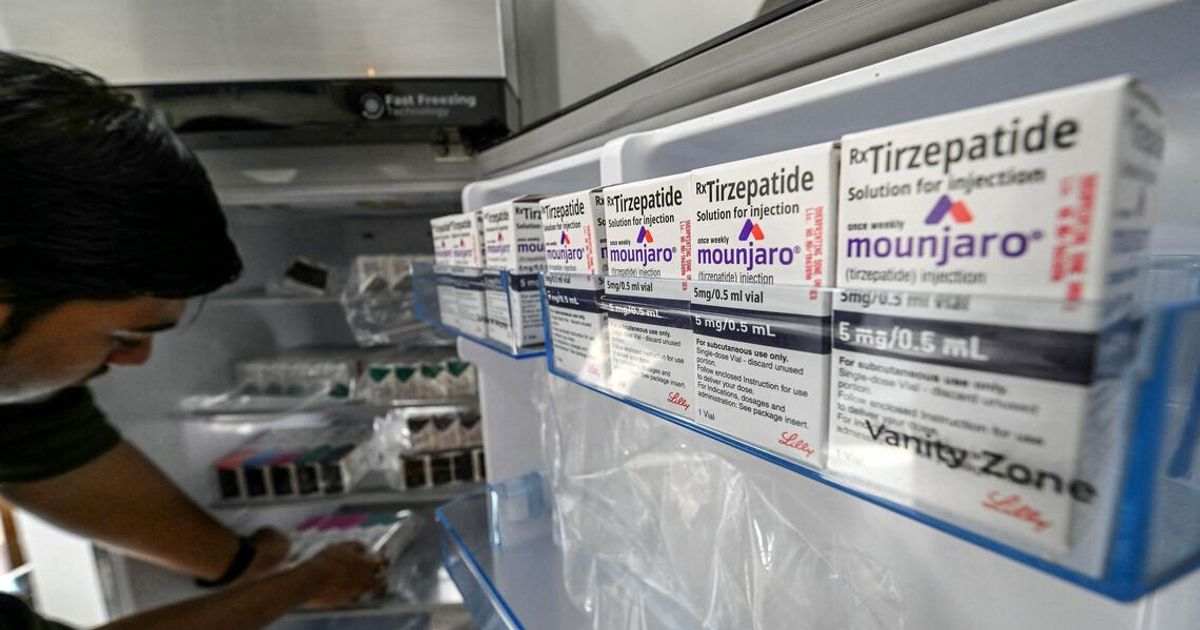
SEONGNAM – A team of researchers at Cha Bundang Medical Center is calling for closer eye monitoring among patients taking glucagon-like peptide-1, (GLP-1) receptor agonists, citing potential links between the widely used weight-loss drugs and several retinal and optic nerve conditions.
The team, led by Kim Joon-hyung, a professor of ophthalmology at Cha University School of Medicine, reviewed existing clinical evidence on the ocular safety of GLP-1 receptor agonists with the findings published in the Journal of Korean Medical Science.
As the use of GLP-1 drugs such as Wegovy and Mounjaro for treating Type 2 diabetes and obesity has increased, questions surrounding their long-term safety have drawn greater attention.
The researchers examined evidence from randomised controlled trials, observational studies, large-scale pharmacoepidemiological research, mechanistic studies and regulatory safety assessments.
According to the study, several eye conditions called for attention among GLP-1 users, including early worsening of diabetic retinopathy, nonarteritic anterior ischaemic optic neuropathy (NAION), neovascular age-related macular degeneration, retinal vein occlusion and glaucoma.
The findings showed the possibility of a temporary worsening of diabetic retinopathy during rapid improvements in blood sugar levels. The study noted that patients with pre-existing diabetic retinopathy may be particularly vulnerable when their blood glucose levels fall sharply over a relatively short period.