

After 44 hours of overtime on top of two weeks of negotiations, COP31 ended on Sunday without a climate agreement. The so-called Antalya Pact failed after several countries, including the EU, the UK and many small Pacific island states, rejected a final draft that made no mention of fossil fuels – the leading cause of climate change. In fact, the pact proposed by co-hosts Türkiye and Australia did not even refer to the “transition away from fossil fuels”, or TAFF, the landmark agreement reached at COP28 in Dubai. For a global population facing stronger, more unpredictable weather and ecosystem collapse, the failure to agree on a fossil fuel phaseout or provide climate finance to developing nations means another year without a collective action plan in a rapidly warming world.More than a decade after nearly 200 countries agreed to limiting global warming to 1.5°C at COP21 in Paris – also known as the Paris Agreement – 2026 is on course to become the second calendar year to exceed that threshold. The UN warns that a long-term breach will happen soon, too, with every fraction of a degree increasing the risk of irreversible environmental damage.“There may be no consensus in the negotiating room. There is no ambiguity in the science,” UN Secretary-General António Guterres said after the summit.But is there reason for…
Is no deal better than a bad deal? Why some see hope in COP31’s collapse
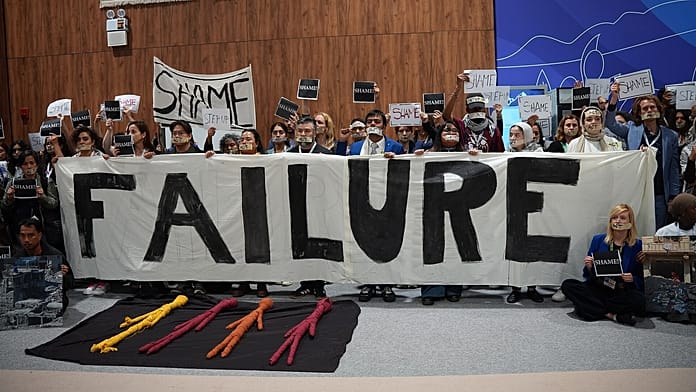
The EU, the UK and many small nations rejected a pact that promoted carbon capture and omitted a commitment to move away from fossil fuels.
In brief
After 44 hours of overtime on top of two weeks of negotiations, COP31 ended on Sunday without a climate agreement. The so-called Antalya Pact failed after several countries, including the EU, the UK and many small Pacific island states, rejected a final draft that made no mention of fossil fuels – the leading cause of climate change.
This is the opening of the story, shared with credit to Euronews. The rest of the report — with every detail — continues on the publisher’s website.
Continue reading at Euronews ↗