📰 Newspapers

What happens if a nuclear weapon explodes in space?

What happens if a nuclear weapon explodes in space?

Earth's atmosphere offers protection from a nuclear blast in space, but satellites are more exposed. We explain how radiation could damage them, why the effects can linger and what protection is possible.

A nuclear explosion in space would be unlikely to cause widespread injuries on Earth. But it could disable satellites that provide services we depend on every day, including some that save lives.

In the United States, satellite failures could make it harder for emergency crews to communicate in remote areas. If GPS were also disrupted, drivers and pilots could lose navigation guidance, and financial networks could lose a source of precise time.

We have some idea of what would happen because it's already been done.

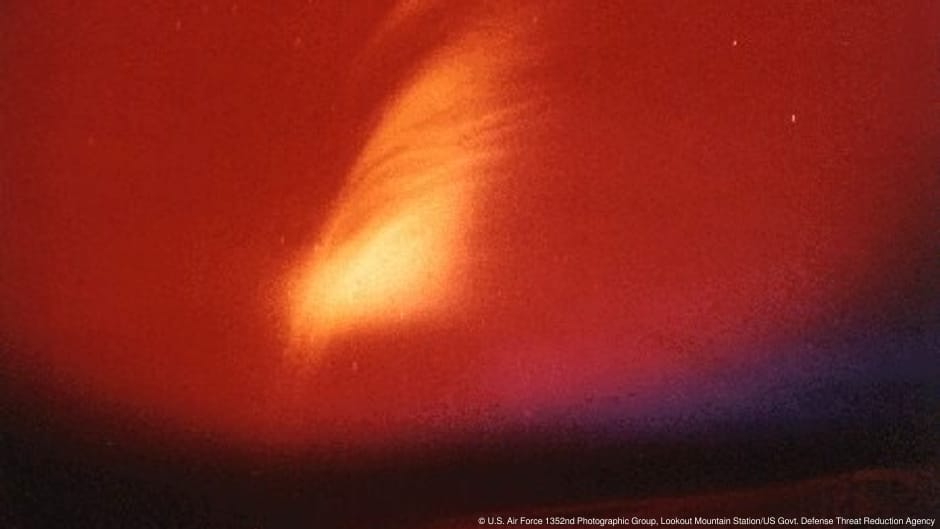
On the evening of July 8, 1962, people in Hawaii held "watch-the-bomb parties" and followed the countdown on shortwave radio. Then the night sky lit up. The United States had detonated a nuclear weapon about 400 kilometers (250 miles) above the Pacific. The test was called Starfish Prime.

An electromagnetic pulse knocked out some streetlights in Hawaii, and some Pacific radio links briefly went down. The glow faded within minutes, but some satellites failed months later.

The air was too thin for a conventional fireball to form or for a destructive shock wave to reach the ground. Charged particles made denser air below glow, creating an artificial aurora. The atmosphere also absorbed much of the initial radiation.

Satellites are especially vulnerable because they orbit above most of the atmosphere that shields people on the ground…

In brief

A nuclear explosion in space would be unlikely to cause widespread injuries on Earth. The United States had detonated a nuclear weapon about 400 kilometers (250 miles) above the Pacific. An electromagnetic pulse knocked out some streetlights in Hawaii, and some Pacific radio links briefly went down. The glow faded within minutes, but some satellites failed months later.

This is the opening of the story, shared with credit to DW — Top stories. The rest of the report — with every detail — continues on the publisher’s website.

Continue reading at DW — Top stories ↗

Cookie settings

Choose which cookies we may use. You can change this at any time from Cookie settings in the footer. Details of each cookie are in the Cookie Policy.

Strictly necessary

Needed for sign-in, security, payments and remembering these choices. Always on.

Preferences

Remember settings such as dark mode.

Analytics & performance

Help us count visits, understand which pages, devices and countries our readers use, and measure how well the site performs – anonymous and aggregated.

Advertising & marketing

Lets advertising partners show and personalise adverts, measure impressions, clicks and visits, prevent ad fraud and pay us – this is how the free site is funded.

🔔 News notifications

Get headlines from NewsHub on this device — even when the site is closed.

You can switch this off at any time. Works on Android, Windows, Mac and Linux browsers; on iPhone/iPad add the site to your Home Screen first.