Unknown to millions of Filipinos preoccupied with the ASEAN Summit and the latest controversies hitting the Marcos Jr. administration, the future of the country was being shaped at a more important conference thousands of kilometers away.
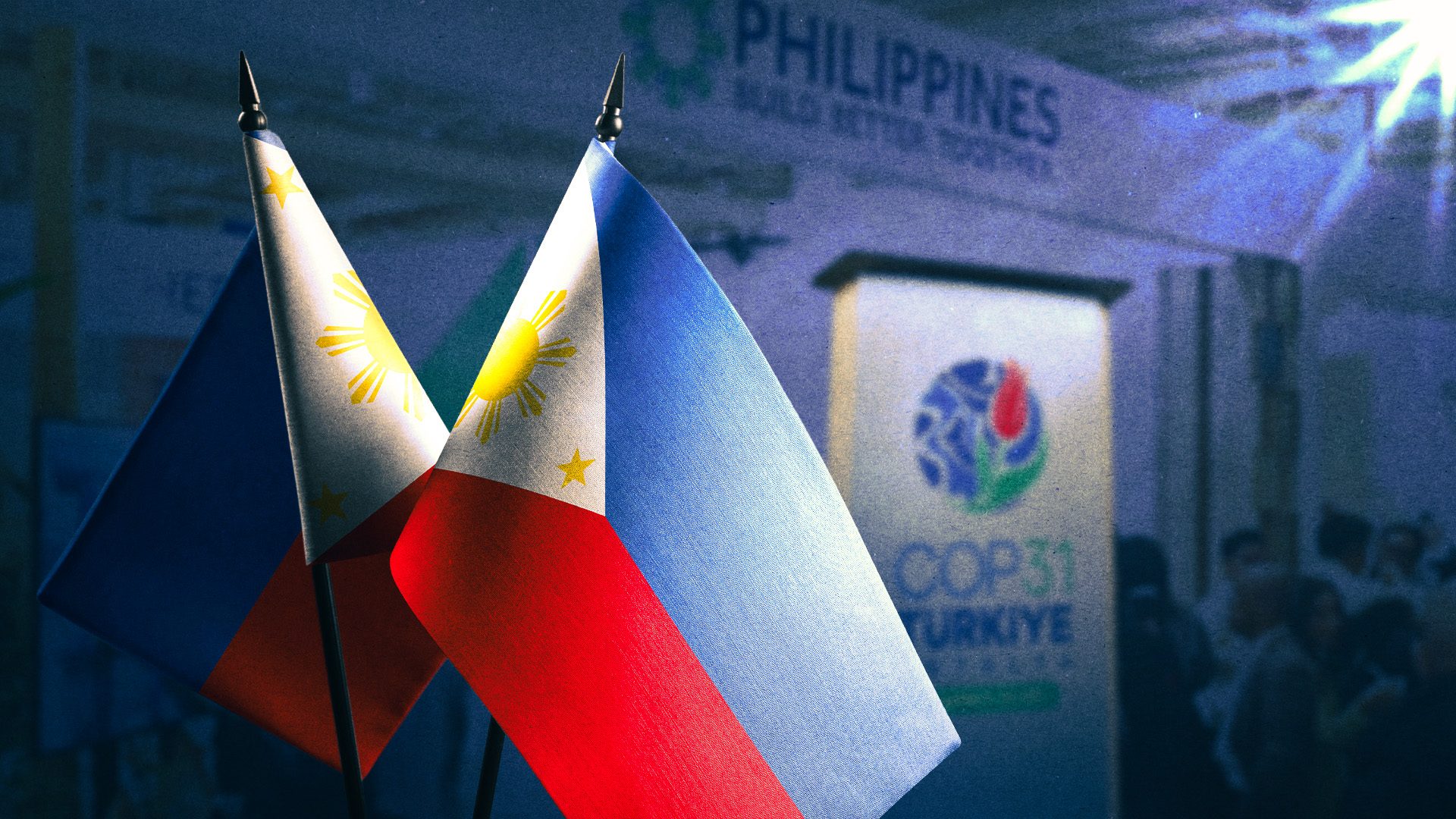
At the recent 31st Conference of the Parties to the United Nations Framework Convention on Climate Change (COP31) in Antalya, Turkey, the Philippine government launched a set of new plans and frameworks that would redefine the direction of national climate action for at least the next decade.
A new era?
At the Philippine Hub (the country’s pavilion at COP31), the government presented to the global community the following major plans:
The 2026 Nationally Determined Contribution, which states that the country will avoid and reduce its emissions by 75% within the next decade;
The Just Transition Framework, which charts the nation’s pathway of low-emissions, climate-resilient development where no one is left behind;
The Philippine Carbon Market Policy Framework, which aims to accelerate climate change mitigation through market-based mechanisms that attract more investments; and
The Philippine Climate Finance Strategy, which outlines how the nation will secure finance from public and private sectors, here and abroad.
This is not to mention findings from notable studies on health, inequality, energy, climate budget, and other issues from both government and nongovernmental groups.