The COP31 climate talks ended without a deal after the EU and others rejected a final deal which failed to mention fossil fuels. But another sticking point was carbon capture and storage - technologies designed to prevent CO2 from entering the atmosphere in the first place and/or to remove it after it has been emitted. The proposed text backed carbon capture, utilisation and storage (CCUS), including a target of at least 500 million tonnes of annual capacity by 2035 and a longer-term ambition of 1.3 billion to 2.5 billion tonnes.Critics argue that carbon capture without a clear fossil fuel transition risks extending the lifeline of oil and gas. Questions around costs, energy requirements, environmental safeguards and long-term storage liability remain unresolved.As one of the most divisive topics in climate action, we look into the facts about carbon capture and how the EU came to be funding this experimental technology.How the European Commission is funding carbon capture and storageIn September this year, the European Commission celebrated their investment in what the owners are calling the “largest commercial carbon capture and storage (CCS) project in Europe”. CO2 emitted by a fertiliser factory in the Netherlands will be stored underneath the seabed in Norway.At an opening ceremony this week, the ammonia and fertiliser plant announced that it will capture 800,000 tonnes of CO2…
Carbon capture was a sticking point at COP31: Is it a delay tactic or genuine solution?
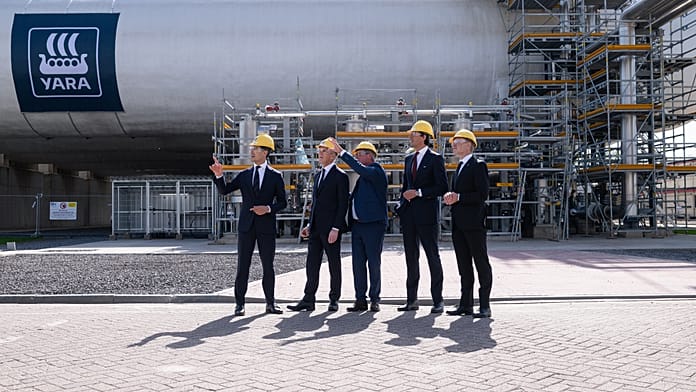
Carbon capture and storage has been found to be “technically uncertain and very high cost” - yet the European Commission is funding it.
In brief
The COP31 climate talks ended without a deal after the EU and others rejected a final deal which failed to mention fossil fuels. The proposed text backed carbon capture, utilisation and storage (CCUS), including a target of at least 500 million tonnes of annual capacity by 2035 and a longer-term ambition of 1.3 billion to 2.5 billion tonnes.Critics argue that carbon capture without a clear fossil fuel transition risks extending the lifeline of oil and gas.
This is the opening of the story, shared with credit to Euronews. The rest of the report — with every detail — continues on the publisher’s website.
Continue reading at Euronews ↗