Travelling to the EU with cats, dogs and ferrets as a Brit is about to get easier – and cheaper – thanks to the reintroduction of pet passports.From 1 March 2028, pet owners will be able to get a multiuse passport which is valid for EU travel rather than securing a new animal health certificate for each trip.The details around how to get a multiuse pet passport will be shared in 2027. You can sign up for updates on the UK government website (or keep your eyes peeled on Euronews Travel).The British Veterinary Association said in a statement: “This new agreement is broadly positive news and one that we've been pressing the UK government for. But it is important that the transition to the new trade rules is smooth and doesn’t negatively impact vets working across all parts of the profession.”The news comes after the UK and EU agreed to align on sanitary and phytosanitary (SPS) rules, with a number of other changes introduced.Cats, dogs and ferrets microchipped from 1 March 2028 will need to have a code that shows the country where the animal was initially identified. This will not apply retroactively.The UK is also set to work to ensure its microchip database system works with EU systems.What are the current rules for travelling with pets to the EU?Following…
Pet passports to return from 2028 for Brits travelling to the EU with cats, dogs and ferrets
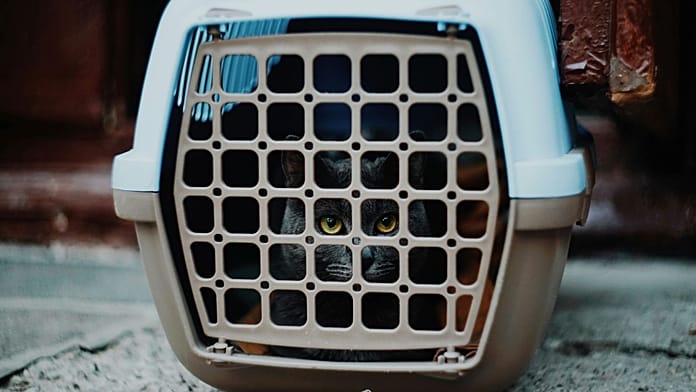
The rule change will mean pet owners no longer need to fork out for an animal health certificate each time they travel.
In brief
Travelling to the EU with cats, dogs and ferrets as a Brit is about to get easier – and cheaper – thanks to the reintroduction of pet passports.From 1 March 2028, pet owners will be able to get a multiuse passport which is valid for EU travel rather than securing a new animal health certificate for each trip.The details around how to get a multiuse pet passport will be shared in 2027.
This is the opening of the story, shared with credit to Euronews. The rest of the report — with every detail — continues on the publisher’s website.
Continue reading at Euronews ↗