On a tropical island in the Indian Ocean, banana trees, papayas and chillies are thriving where farming seems almost impossible. The soil is little more than coral sand, freshwater is scarce, and most of the country's food arrives from overseas.This is the Maldives, an archipelago famous for its white-sand beaches and luxury resorts. But beyond the postcard coastline lies a serious problem: how to feed a nation with almost no land fit for farming.In landlocked Uzbekistan, the problem is reversed: there is land in abundance, but the water to farm it is running short.Their solutions differ sharply, but both are tackling a question that reaches far beyond their borders: how to keep food on the table as environmental pressures intensify.A farm in paradiseAccording to the United Nations, nearly 90% of the Maldives' food is imported, and just 27 square kilometres of land across the archipelago can be cultivated.That leaves the island nation at the mercy of global supply chains and rising food prices.Coral sand is naturally alkaline, contains few nutrients and lets water drain straight through, making conventional farming a constant struggle. On South Ari Atoll, the Villa Park resort is proving it can still be done.On three to four hectares, some of it once underwater, the resort has built a farm producing bananas, papayas, chillies, curry leaves and more.…
Too little soil, too little water: how two countries are reinventing farming
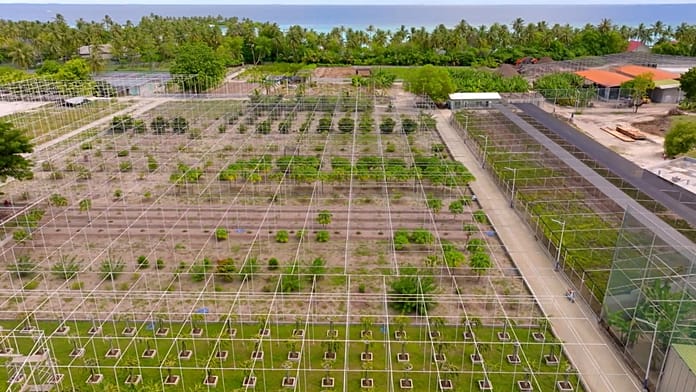
In the Maldives, farmers grow crops on nutrient-poor coral sand. Thousands of kilometres away, Uzbekistan monitors farmland from space. Despite their different environments, both countries are finding ways to tackle a major challenge: producing food with limited resources.
In brief
On a tropical island in the Indian Ocean, banana trees, papayas and chillies are thriving where farming seems almost impossible. The soil is little more than coral sand, freshwater is scarce, and most of the country's food arrives from overseas.This is the Maldives, an archipelago famous for its white-sand beaches and luxury resorts. On South Ari Atoll, the Villa Park resort is proving it can still be done.On three to four hectares, some of it once underwater, the resort has built a farm producing bananas, papayas, chillies, curry leaves and more.…
This is the opening of the story, shared with credit to Euronews. The rest of the report — with every detail — continues on the publisher’s website.
Continue reading at Euronews ↗