Across the European region, an estimated 187 million people – around one in five – are living in poor health due to health and social inequality, according to the World Health Organization.“Across our region, people are living longer, healthier lives. Many countries have made real gains in social protection, education, jobs and access to care. But here is the uncomfortable truth: progress isn't reaching everyone,” said Corinne Capuano, officer-in-charge at WHO’s Europe office, during a press briefing presenting the report.While overall life expectancy and health have improved across generations, that progress is uneven, the authors said.Inequalities start in childhoodChildren are among those particularly affected by health inequalities. An estimated 35 million children and adolescents across the 53 countries of the WHO European Region, which spans Europe and Central Asia, are held back by avoidable health and social inequities, the report found. Those in the poorest households are twice as likely to die before age five and six times as likely to face severe housing deprivation compared to those in the richest households.The report identified several groups that are particularly vulnerable, including Roma children, children with disabilities or neurodevelopmental conditions, adolescent girls, and those from less-educated families or living in disadvantaged neighbourhoods.Girls from low-income families were in worse health in 91% of countries; for boys, that figure was 96%.
Growing health inequalities put millions of European children at risk, WHO warns
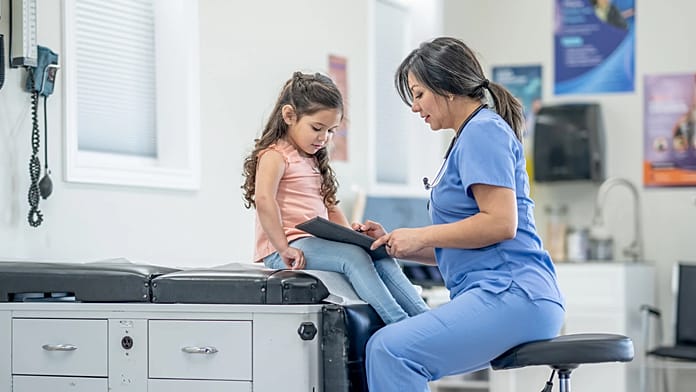
The report highlights how health inequalities affect children from disadvantaged backgrounds, shaping their development and opportunities from the earliest stages of life.
In brief
Across the European region, an estimated 187 million people – around one in five – are living in poor health due to health and social inequality, according to the World Health Organization.“Across our region, people are living longer, healthier lives. An estimated 35 million children and adolescents across the 53 countries of the WHO European Region, which spans Europe and Central Asia, are held back by avoidable health and social inequities, the report found.
This is the opening of the story, shared with credit to Euronews. The rest of the report — with every detail — continues on the publisher’s website.
Continue reading at Euronews ↗