RIYADH: Saudi Arabia’s Harrat Al-Rass Al-Abyad Nature Reserve has been registered in the World Database on Protected Areas, marking another step in the Kingdom’s efforts to conserve biodiversity and protect its geological heritage.
The Royal Commission for AlUla, in coordination with the National Center for Wildlife, announced on Tuesday that the reserve had been added to the national and international databases of protected areas.
Located in the Khaybar governorate in the Madinah region, the reserve covers 600 sq. km and is the sixth in the commission’s protected area network, which spans a combined 12,107 sq. km.
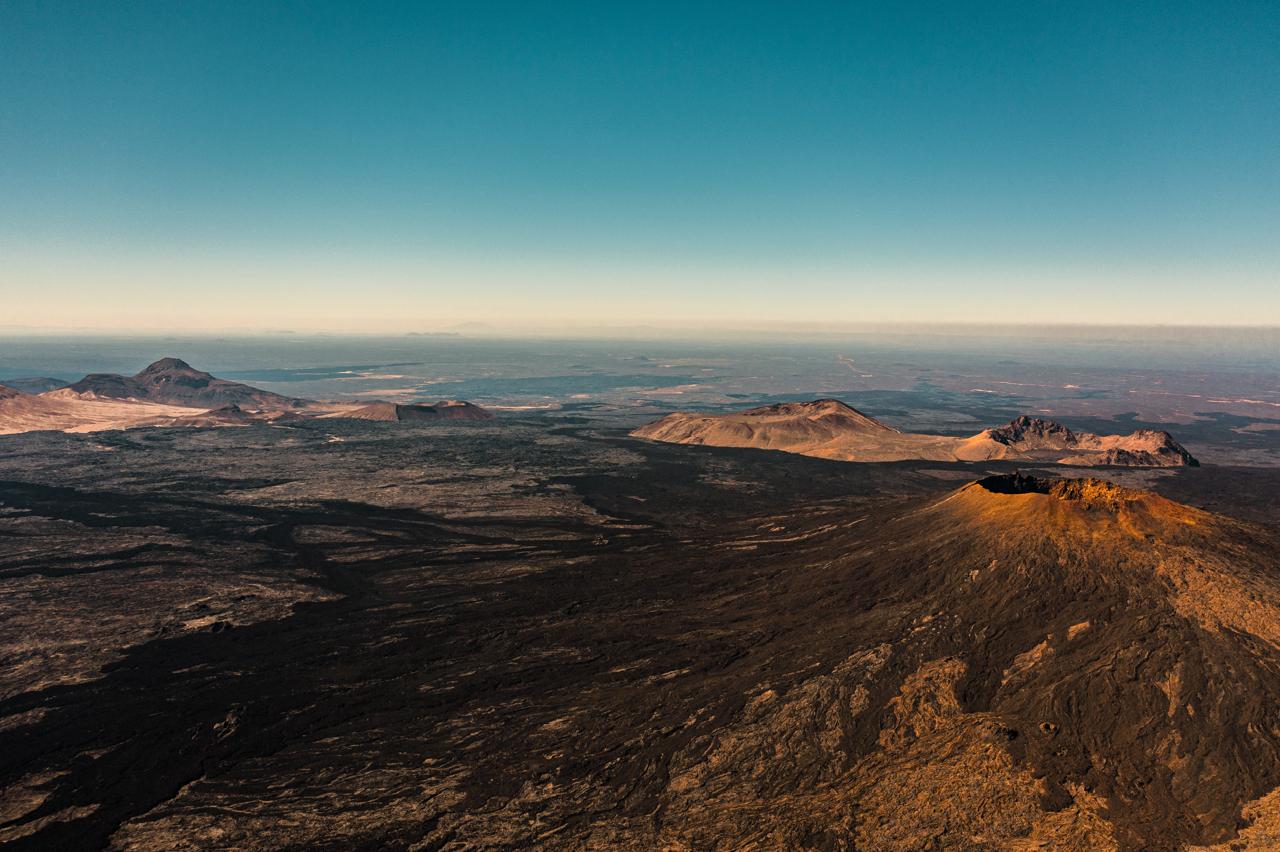
The reserve lies within Harrat Khaybar, one of the Arabian Peninsula’s largest volcanic fields. Its rare white volcanoes contrast with vast expanses of black basalt, creating a distinctive natural landscape.
The white formations owe their unusual color to comendite volcanic rocks. Harrat Khaybar is home to three rare white volcanoes — Jabal Al-Bayda, Jabal Al-Abyad and Jabal Al-Mansaf — making it an important site for studying geological diversity and the region’s volcanic history.
The reserve also encompasses Umm Jirsan Cave, one of Saudi Arabia’s longest lava tube systems, extending approximately 1,481 meters.
Beyond its geological significance, the reserve supports a diverse ecosystem.