

Tim’s view
The breakdown of COP31 reveals a process in need of an overhaul, but the solution shouldn’t be hard to find.
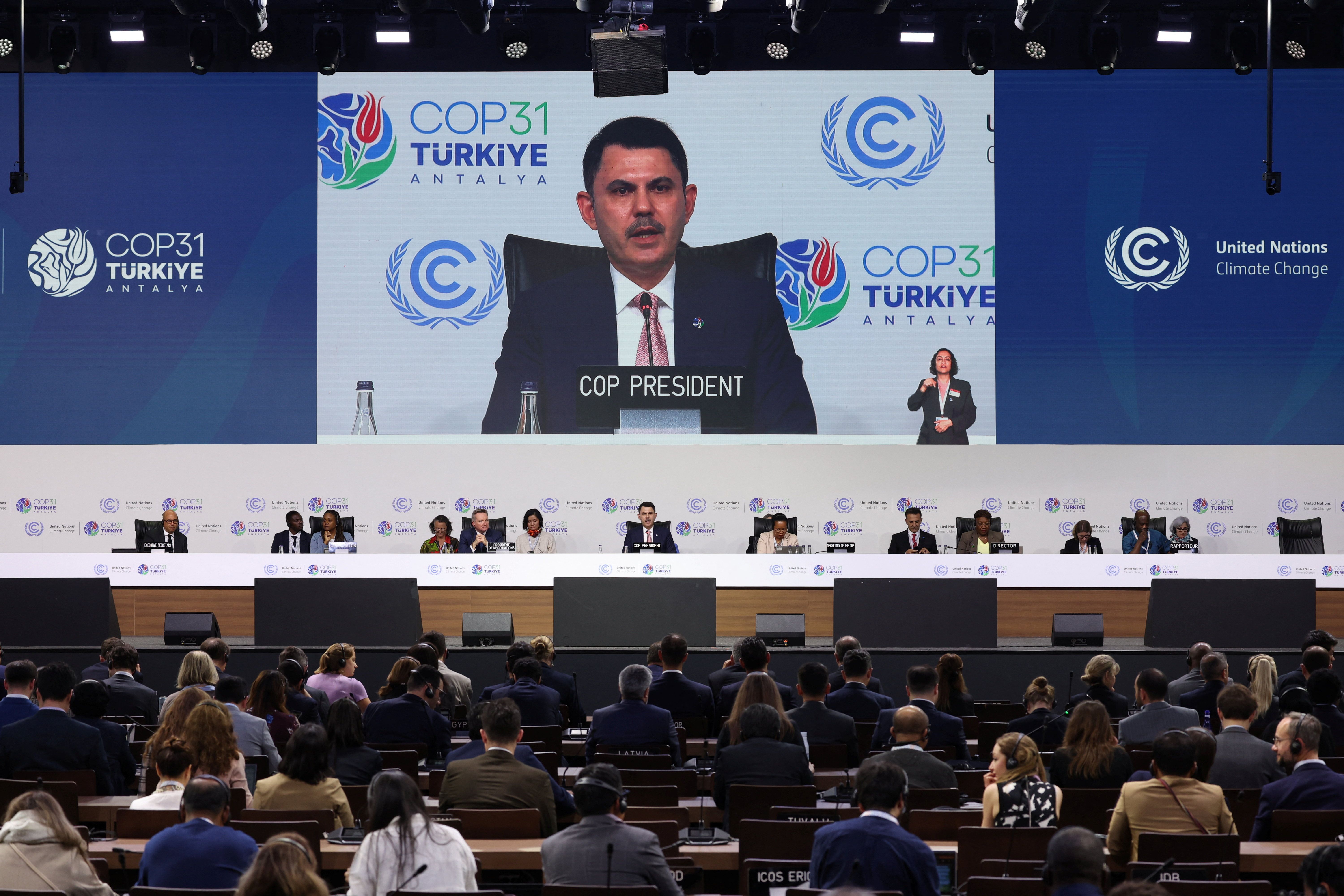
Depending on your perspective, the failure of negotiators in Türkiye to reach a consensus deal on transitioning away from fossil fuels may not actually be a failure. The UN process worked as designed: The minority of countries that wanted to avoid naming the root causes of climate change were blocked by the majority from pushing through a weak agreement. The compromises needed to achieve consensus in past COPs, the former UK climate advisor Michael Jacobs wrote this week, mainly served to dilute any sense of urgency; failure to reach an agreement is, in this telling, actually a stronger political signal about how deeply committed most countries are to decarbonization.
The most obvious solution is to scrap the consensus-driven elements of the COP agenda altogether. In past summits, the topline “cover decision” agreement of the sort that crumbled in Antalya was primarily a kind of thesis statement, framing negotiations on a host of niche tracks, from carbon markets to adaptation finance. But in the decade since the Paris Agreement, there’s very little left to be negotiated.